Written by Carla Romana
As a designer myself, I have always been inspired by multiple artists and designers through my years of study and have experimented with various mediums and materials. I’ve always been curious about the creation of installations and by movement of water. It has always been something I’ve been wanting to explore and trace back to, with the memory of when I first had a fear of the deep blue.
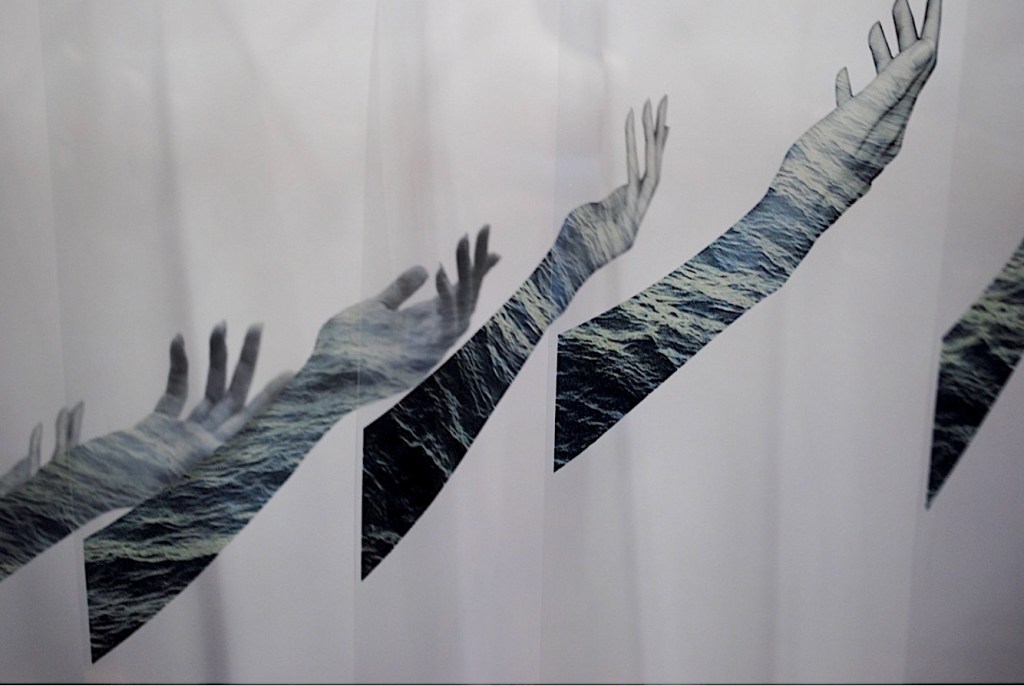
Figure 1. Carla J. Romana, Hand-in-Hand, 2016
(close up)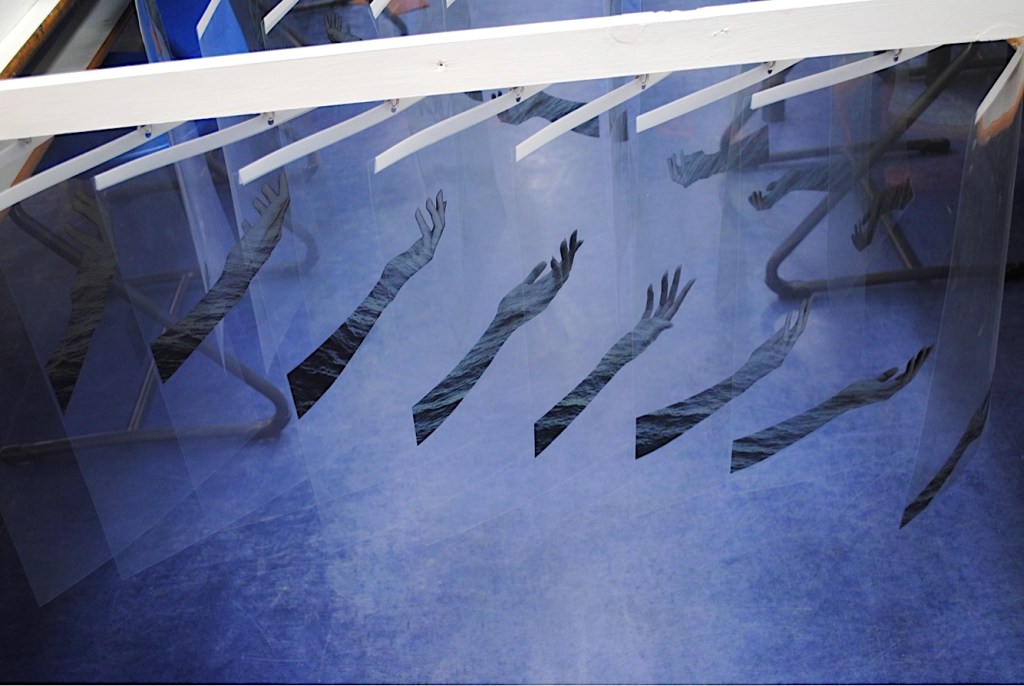
Figure 2. Carla J. Romana, Hand-in-Hand, 2016
(installation view)
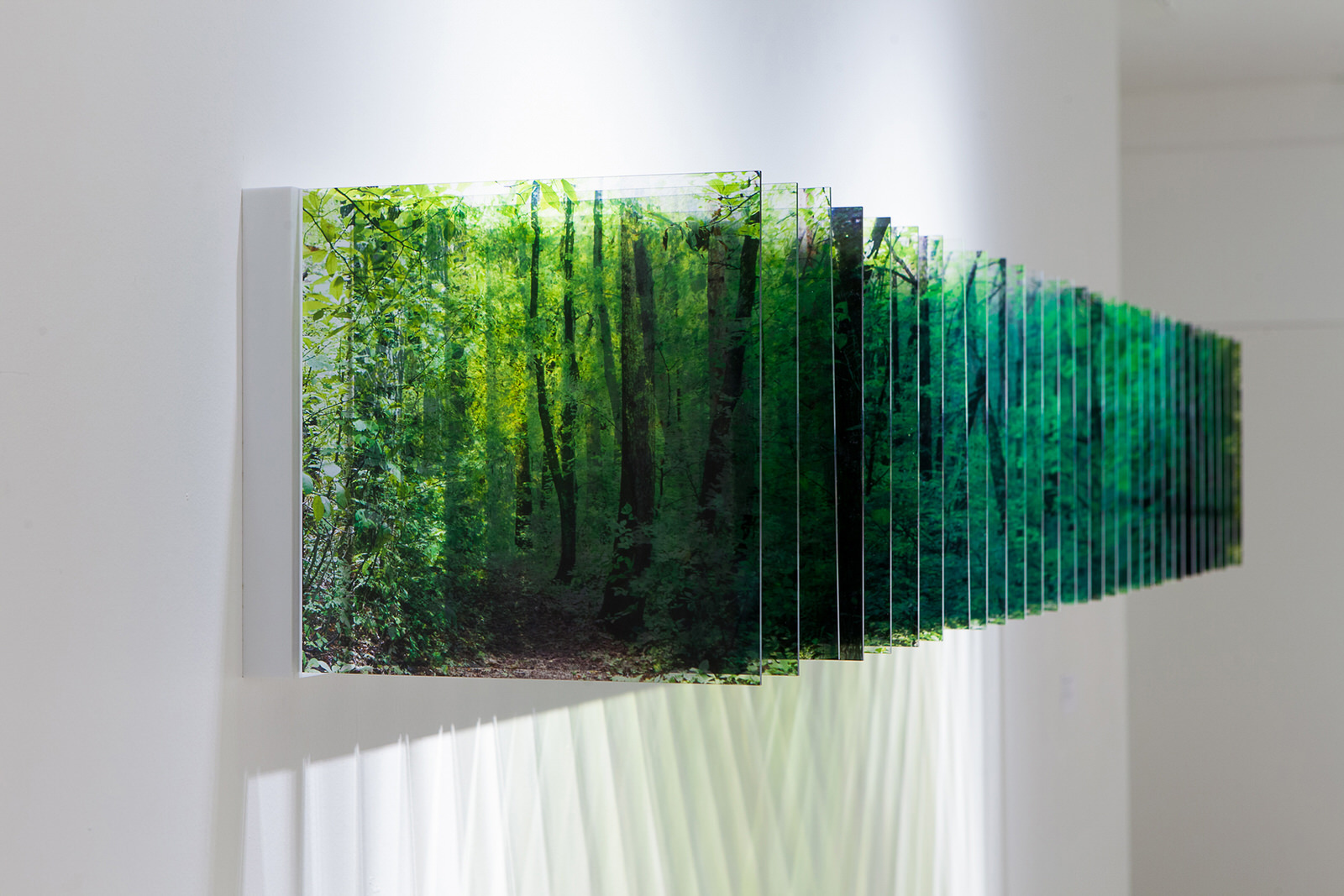
A few years ago, I worked on a contemporary mini installation piece Hand-in-Hand (Figure 1 & 2). This installation piece was inspired by an Japanese artist, Nobuhiro Nakanishi and his work Layer Drawings (Figure 3). He creatively used photography to explore time, space and art installation [1]. I found it interesting that his series of photos was a big gradual image through multiple acrylic sheets which gave the view of a panoramic image.
The overall meaning of this installation is to ‘overcome the loneliness and hardship’ and escaping from a cramped confinement – being trapped in a space. The main interest of the installation are the hands that form an illusion of one side grabbing ahold of the hand on the other side of the installation. Coming together, both ends of the installation forms an arch, a pathway that creates a way for the individual to escape and to move forward. Sadly I don’t have an image that shows this arch/pathway. The tonal shift in the waves (from light to dark) as well as the desaturated arm is interpreted as an individual trying to reach out and escape from the confinement.
The hands are also an important part as its associated with the “pleasure of proximate senses” – the sense of touch [2]. The hands reaching out are a sign of hope. Even though it may be blue, black and white and could illustrate sadness and negativity, it could also depict a sign of hope and a better tomorrow. Even in our society today, we are starting to perceive ideas and going beyond the social norms. Escaping the boundaries and being influenced by those around us to move forward. When looking at the spaces between each individual sheet, it’s as if you want to attempt to fill the gaps in between. We want to fill in missing time and space. I wanted to create an installation where you’re also able to experience space, time and emotions as sensations experienced by both the viewer and the artist.
In a way, I wanted to explore two different realms – ’reality and fiction’ through the creation of the work (fiction) as well as the meaning behind the piece (reality) [3]. As seen through Nakanishi’s work, we are all subject to the passing of time, yet each of us feels and perceives it in our own way [4]. We experience the ephemerality of time through memorable objects and that serves as a purpose when we revisit those memories [1]. Despite being trapped in a cramped confinement, there will always be a way to escape whether you are bound by boundaries or not. Time will tell, that there will be someone willing to help you escape, from the depths of the deep blue.
[1] Nakanishi, Nobuhiro, About Layer Drawings, accessed April 10, 2019, http://nobuhironakanishi.com/essay/layer-drawings-en/
[2] Mack, Adam, The Politics of Good Taste, 2012, The Senses and Society, 7:1, 87-94
[3] Bourdieu, Pierre, Introduction from Distinction: A Social Critique of the Judgement of Taste, 1984, 1-7
[4] Zhang, Michael, Layers of Time, accessed April 11, 2019, https://petapixel.com/2017/06/19/layers-time-created-arranging-photos-acrylic/

 Design Practices