It is quite disappointing to hear that there are forgotten superheroes of design, as we know that designers put so much effort, hard-work and dedication into their work. However, we know that the field of design is so broad and large, that it is no wonder why not everyone can be remembered for every work of design. This is why it is so important to highlight the forgotten designers who have made an impact on the world, maybe without many people noticing it.
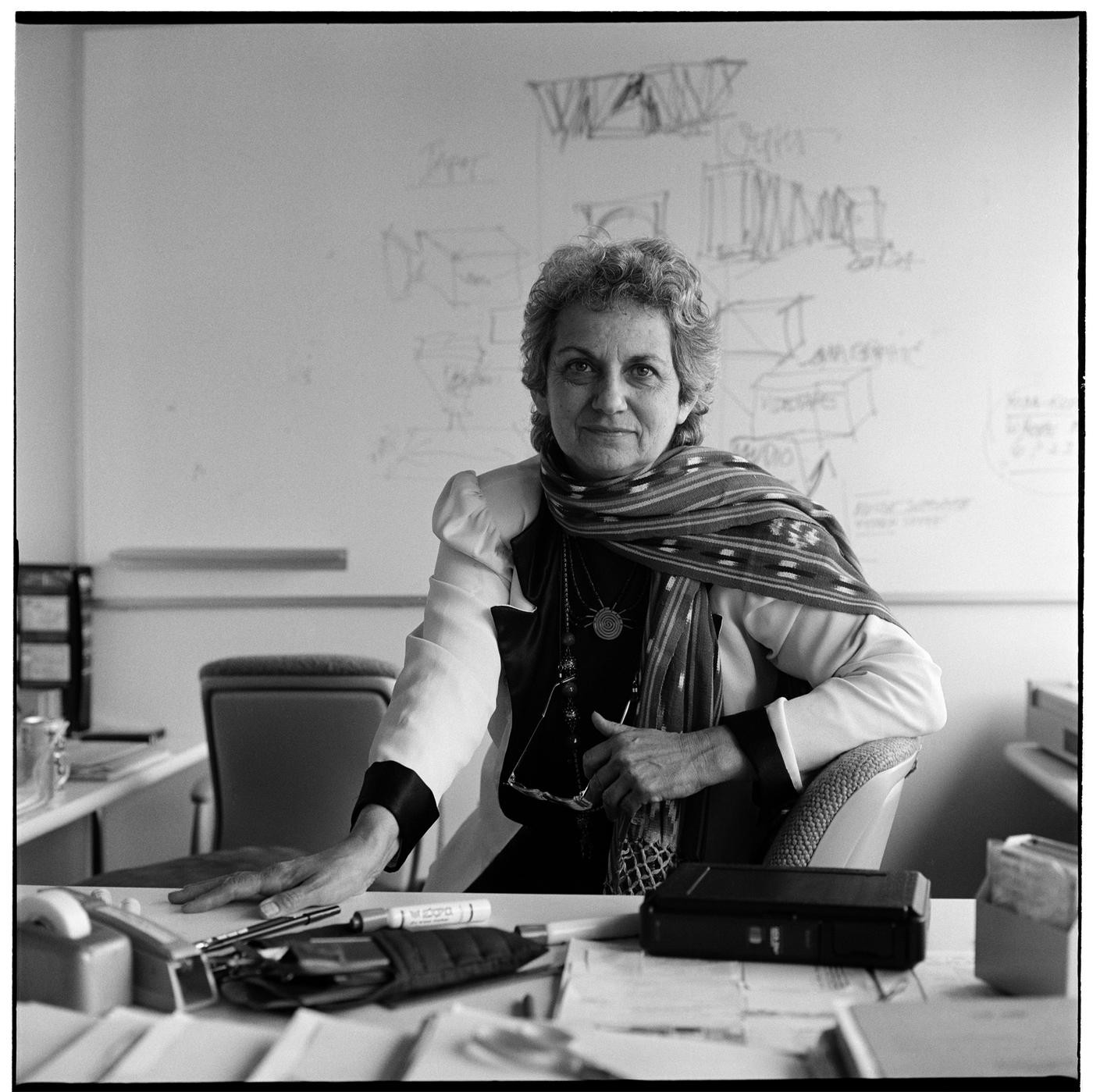
In 2007, the New York Times published an article about “the design heroine you’ve probably never heard of”. This article was written about Muriel Cooper (Figure 1.), a graphic designer, book publisher, digital designer, researcher and educator. With this long list of expertise, how is it possible not many people know about her? Cooper was the very first design director at the Massachusetts Institute of Technology Press (otherwise known as the MIT Press), she was the co-founder of the Visible Language Workshop at MIT, and was the first woman to be granted tenure at the MIT’s Media Lab, where she was able to develop software interfaces [1]. On top of this, she was also given the opportunity to teach a new generation of designers.
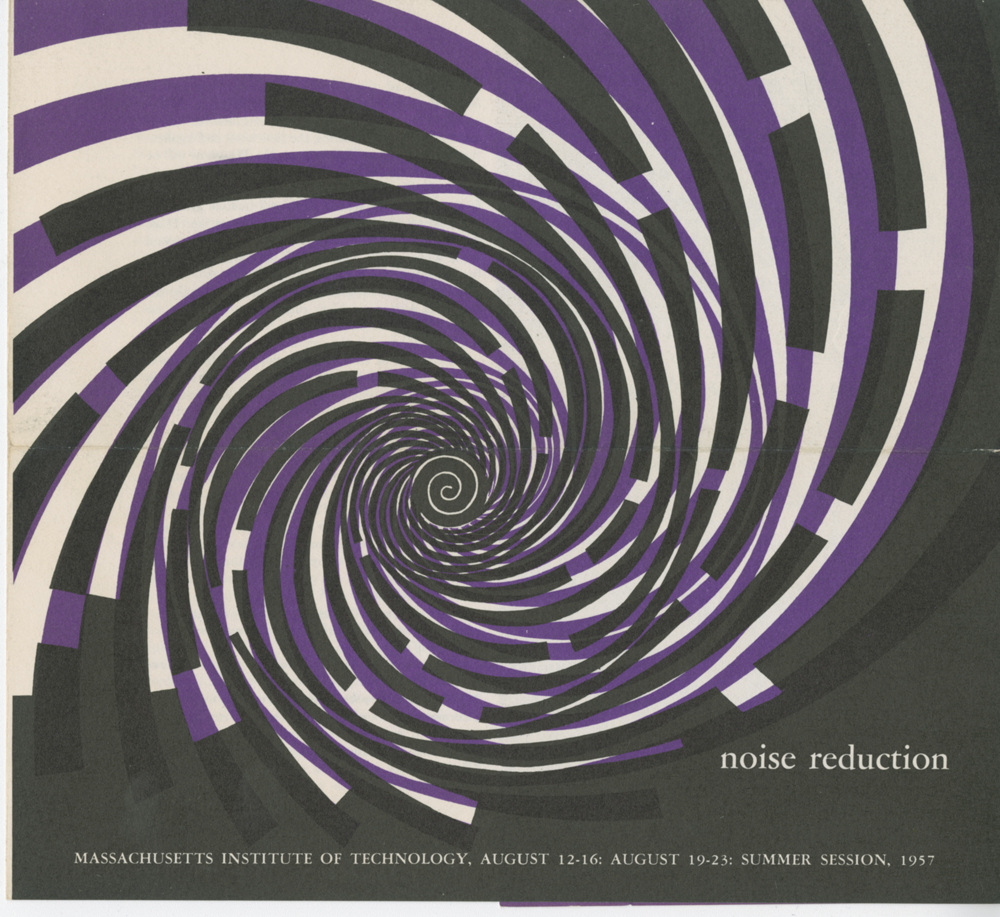
Muriel Cooper is also known for her concentration on the relationship between graphics and technology. Cooper was seen as a pioneer of the new design domain, as she was one of the first graphic designers to carry out profound explorations of the new possibilities of electronic media, such as 3D text [2]. Muriel also had a love for Bauhaus, and had even designed the classic book Bauhaus, which was published by MIT Press in 1969, the 50th anniversary of the German design school’s founding. This project took Cooper nearly two years to create, as she had to enlarge, revise, and completely redesign an American version of an earlier German edition. She set the book in the newly-available Helvetica typeface and used a grid system page layout, giving the book a strong modernist appearance [3]. This, and her work in digital design, is why she was known by many around her as the woman who designed the bridge between Bauhaus and the digital age.
Again, it’s hard to understand why this remarkable woman has been seen to be “forgotten” in today’s society. This is because women have a harder time being recognised compared to men. In Jane Connory’s paper on women in graphic design, it was shown that despite women comprising more that 50% of graphic design graduates since the 1970’s, only one woman was included in the AGDA Hall of Fame [4]. Although this is an Australian statistic, the same can be said for female designers around the world. Women have been rendered invisible within the graphic design field, and it makes us question why someone like Muriel Cooper, with her depth of experience, is left out of the spotlight today.
Cooper had obtained three degrees throughout her life; a Bachelor of Arts degree in 1944, a Bachelor of Fine Art in Design in 1948 and a Bachelor of Science in Education in 1951 [5]. Despite her degrees and her work at MIT, she was still unable to gain the same recognition as her fellow male designers, including her friend Paul Rand, who was a major influence for her design work and who had even recommended her to be the design director of the MIT Press. She was such a talented woman, and her influence on contemporary media, technology and design can’t be denied.
This is why it is so important to recognise and celebrate women like Muriel Cooper, as their work in design decades ago has a major influence on design today, even if people don’t realise it.
References:
[1]. “Muriel Cooper”, David Reinfurt and Robert Wiesenberger, Accessed April 9th, 2019, https://mitpress.mit.edu/books/muriel-coopert
[2] “Muriel Cooper”, Janet Abrams, Accessed April 9th, 2019, https://www.aiga.org/medalist-murielcooper
[3] Ibid
[4] Jane Connory, Plotting the Historical Pipeline of Women in Graphic Design, DHARN, 2017, Accessed fromhttp://dharn.org.au/plotting-the-historical-pipeline-of-women-in-graphic-design/
[5] “Muriel Cooper, 68, dies; noted graphic designer”, issue of MIT Tech Talk, Volume
38, Number 35, June 1st 1994, accessed April 9th 2019, http://news.mit.edu/1994/cooper-0601

 Design Practices
Without reading this blog post I may never have known about Muriel Cooper and her key works of design. It highlights the crucial design work done by Muriel Cooper to connect one of the most important design schools and design movements to the digital design age.
This post presents Muriel Cooper’s achievements very well, using supporting quotes and statistics, both of which have come from trusted sources. We see this from the very first quote, which has come directly from the New York Times, to the statistics that have come from AGDA.
Muriel Cooper has a style distinctive of the early digital age that has been forgotten in a similar way to how her influence has been forgotten. It is important that contemporary designers understand the direction that design has come from as they push it forward, which is another reason why this blog and other literary pieces are so important in the contemporary design landscape.
The blog has opened my eyes to the possibility of vast numbers of high-quality designers that have been forgotten during and since their practicing years. This blog, therefore, raises even more questions about what we have possibly missed through our continuous design progression.
By Maksis Darzins
LikeLike