Designing for Social Good

by Alma Santang

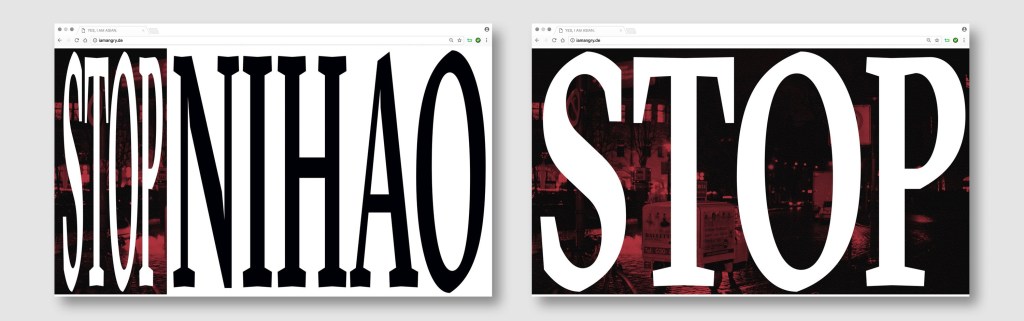
I Am Angry., (2016) by Jihee Lee & So Jin Park.

I am a firm believer that design has the power to create an impact. I am not talking huge, world-changing impact, just enough to spark a little fire in someone’s heart. On Good Taste vs. Good Design, reciting Crozier (1994), it mentioned that design is a lifestyle, something aesthetically pleasing or fashionable. I would argue that this definition does not capture what design is in today’s society. In recent years, the interest in design for social good or social change (later referred to as social design) has been growing within the design professions and the design education community, as mentioned in an essay titled Social Design: From Utopia to the Good Society by Victor Margolin. Design has a bigger purpose than to entertain humankind, designers are now finding ways to contribute to society.

I am looking at Jihee Lee as my source of inspiration. Lee is a Hamburg based graphic designer from Seoul, South Korea. One of her works that made an impact on me is I Am Angry., (2016), which is a collaborative work between her and another designer, So Jin Park. I Am Angry. is a campaign that is based on microaggression, everyday racism, and discrimination against Asians. They came up with the idea for a platform where people with Asian heritage could share their experiences.
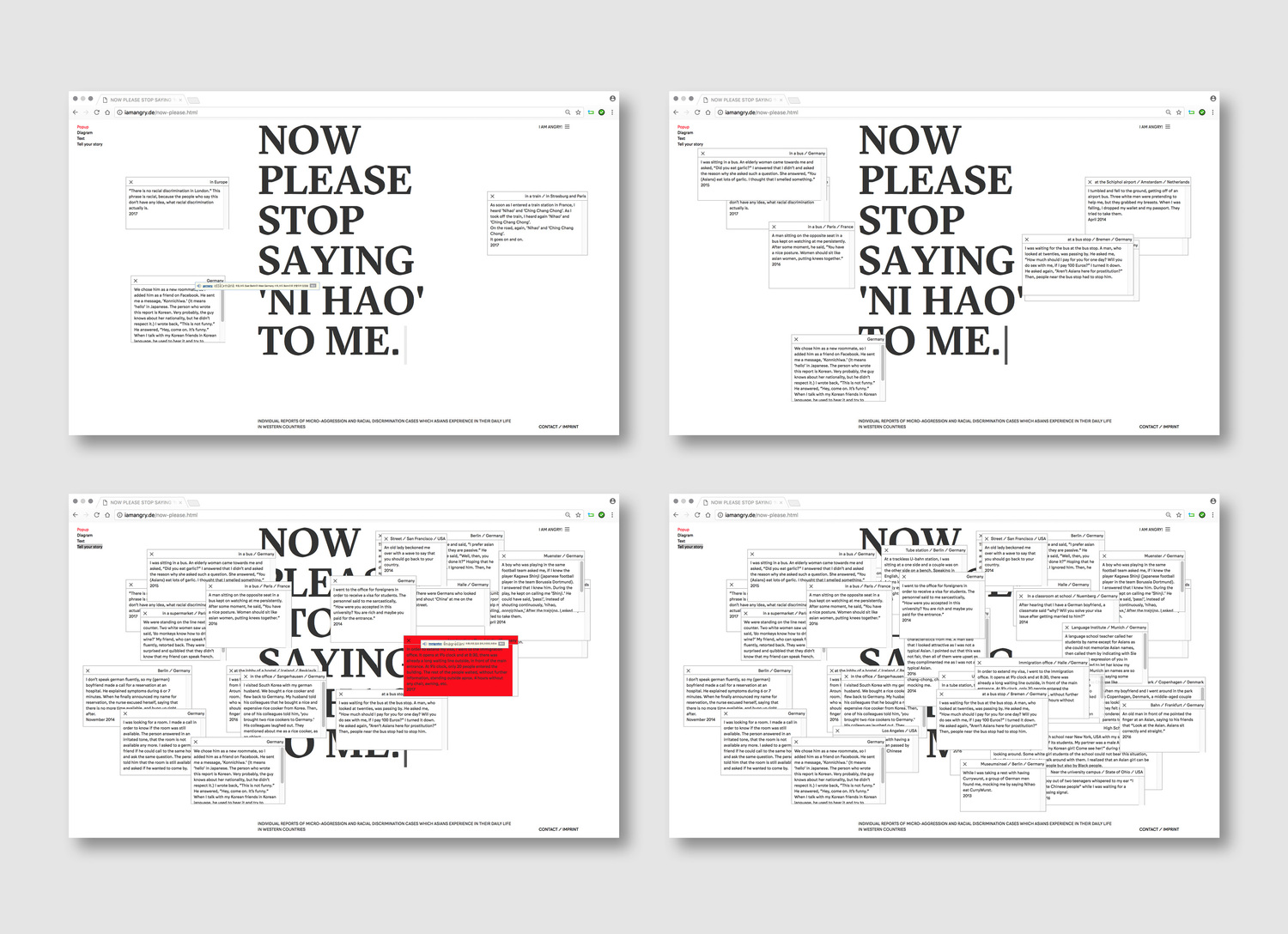
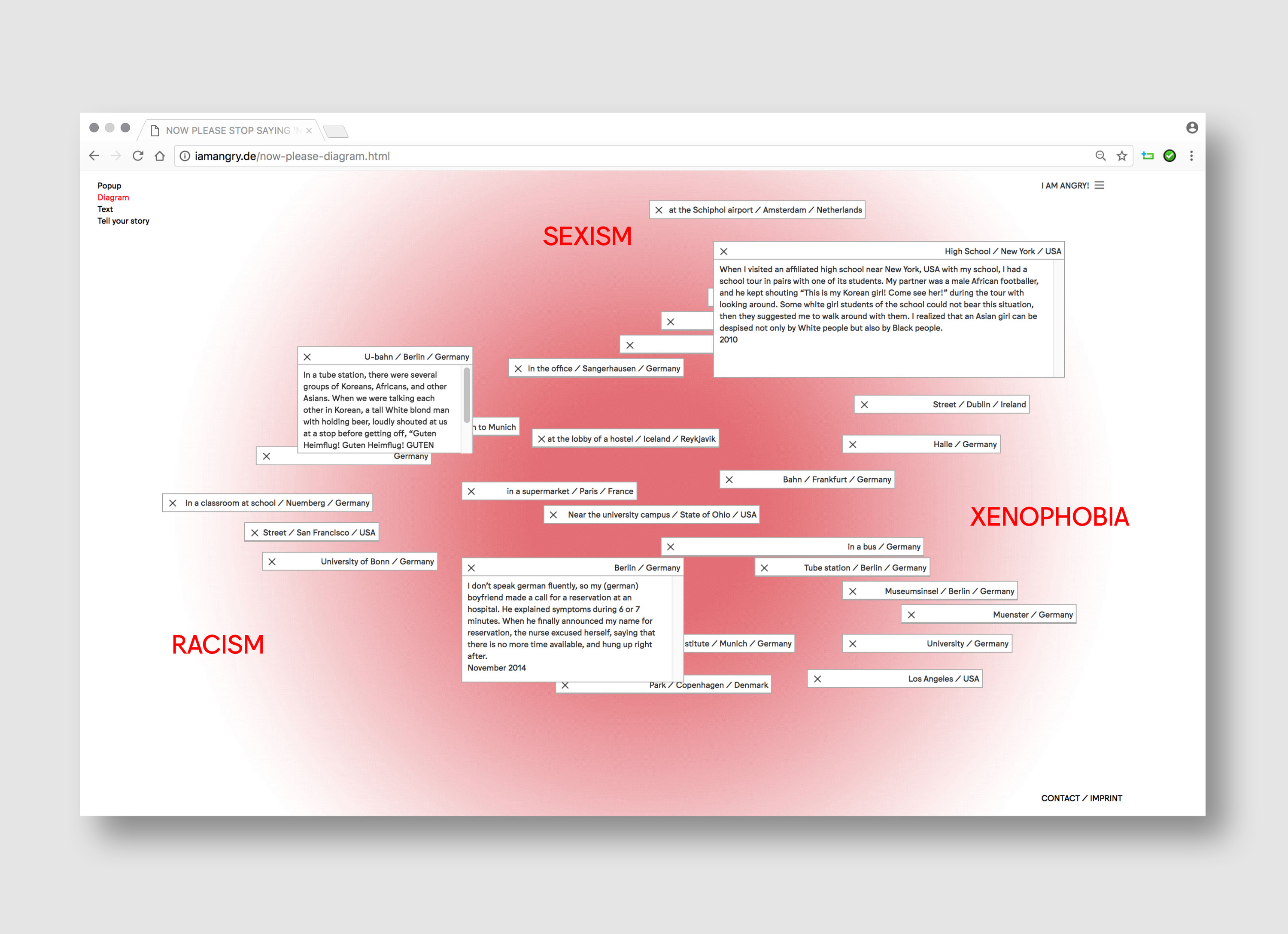
I Am Angry., (2016) by Jihee Lee & So Jin Park.

I think this is an excellent example of how designers can help contribute to society based on a specific problem. Lee as a designer had put the unsaid into words, turning an experience into a personal issue, making this personal issue into a common one, and bringing it into the public by inventing a platform where everyone can tell their stories, all while being very successful from a graphical viewpoint. I cannot disregard the fact that as human beings, we are attracted to visuals. Therefore, as designers, we have the capability to talk about and to shine a light on a particular topic; not necessarily to find a solution, but to try and make the world slightly a better place.
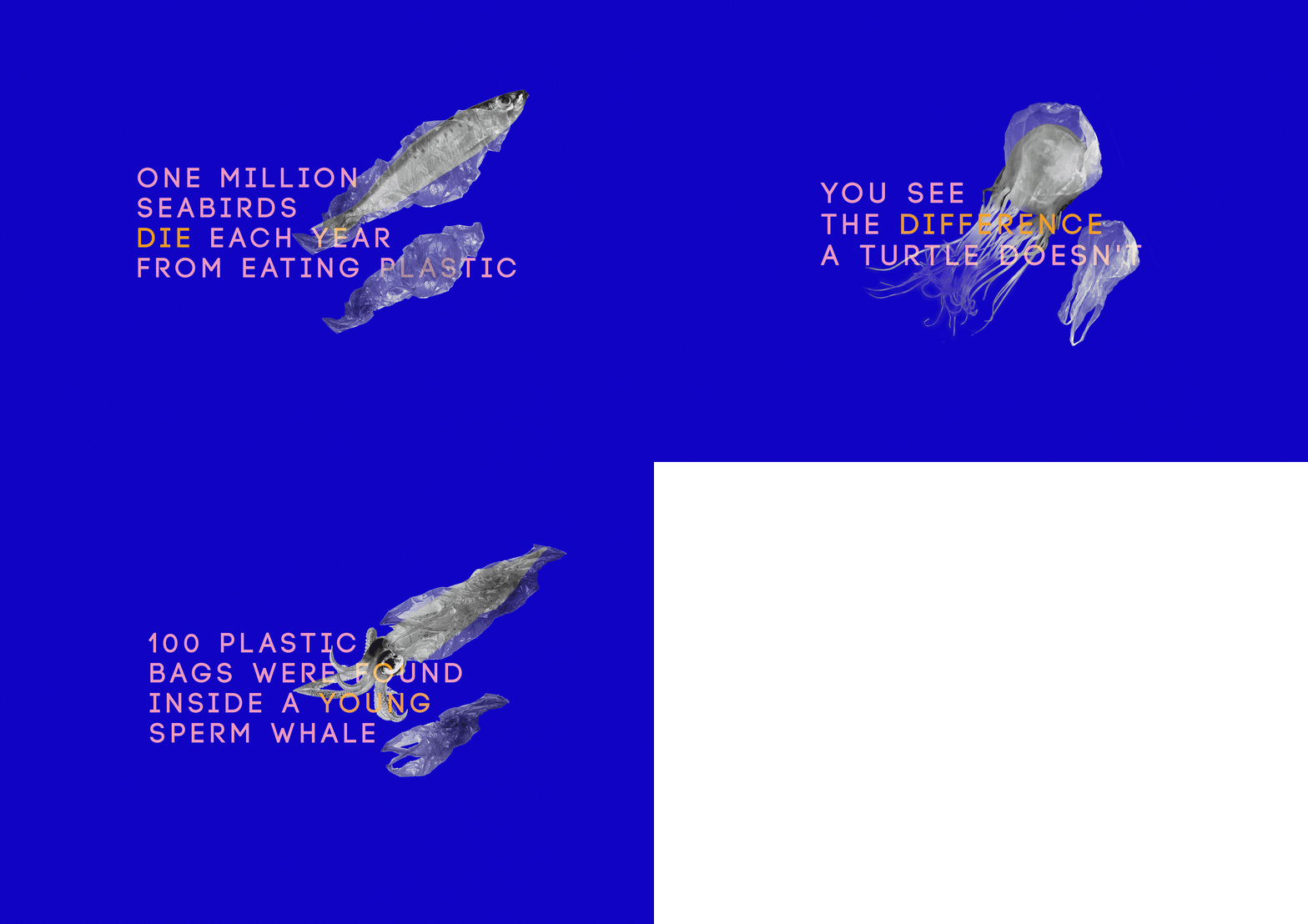
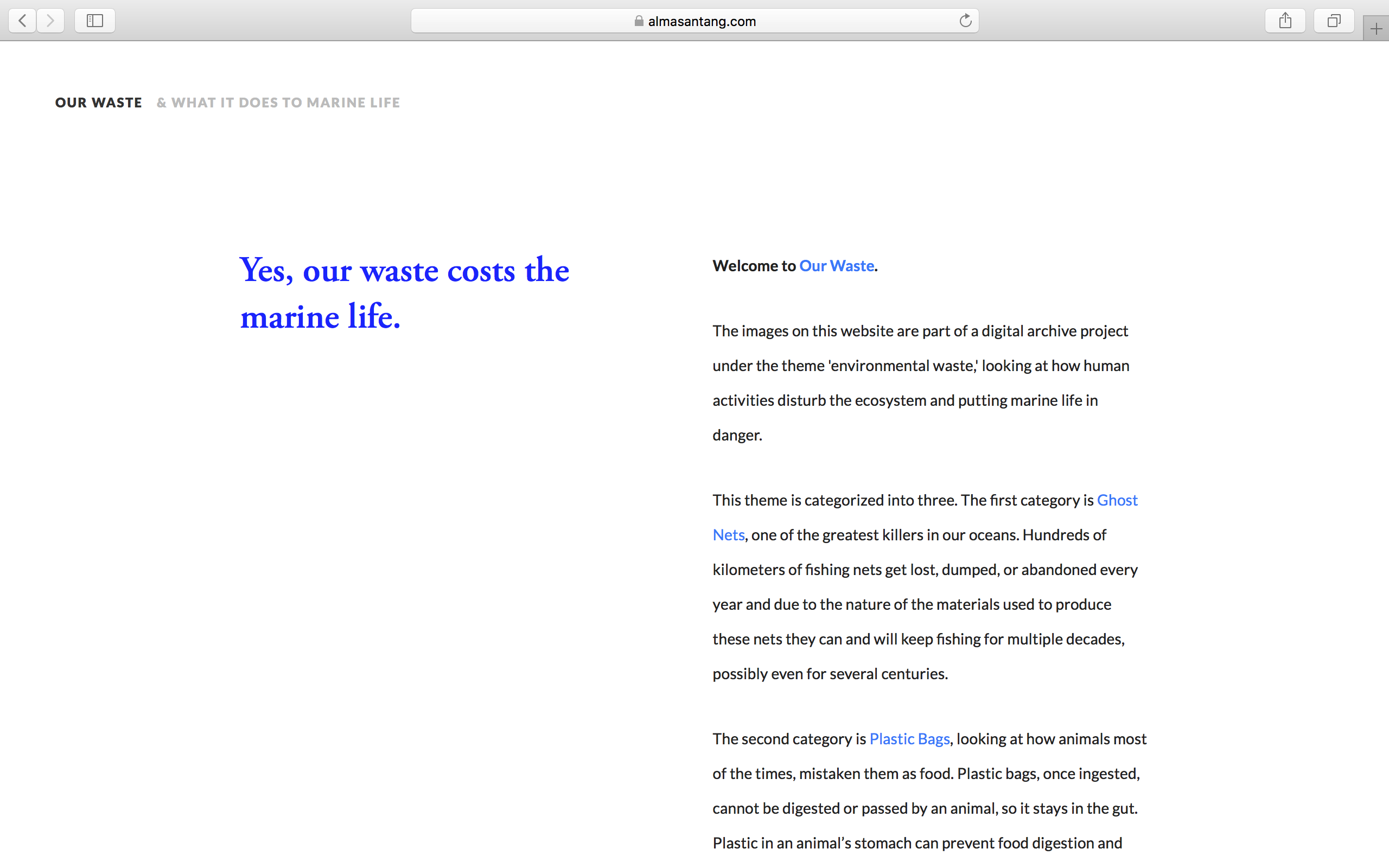
Our Waste, (2018) by Alma Santang

I personally resonate with the idea of social design as I tend to find myself drawn to social or environmental issues, which influenced my design practice. Our Waste is one of the projects I did which was based on an environmental issue. I created a platform which showcases how human activities disturb the ecosystem and putting marine life in danger. While this platform might not create a real-life impact like Lee’s I Am Angry., it might still put an effect on someone’s lifestyle (by trying to be more eco-friendly for instance).
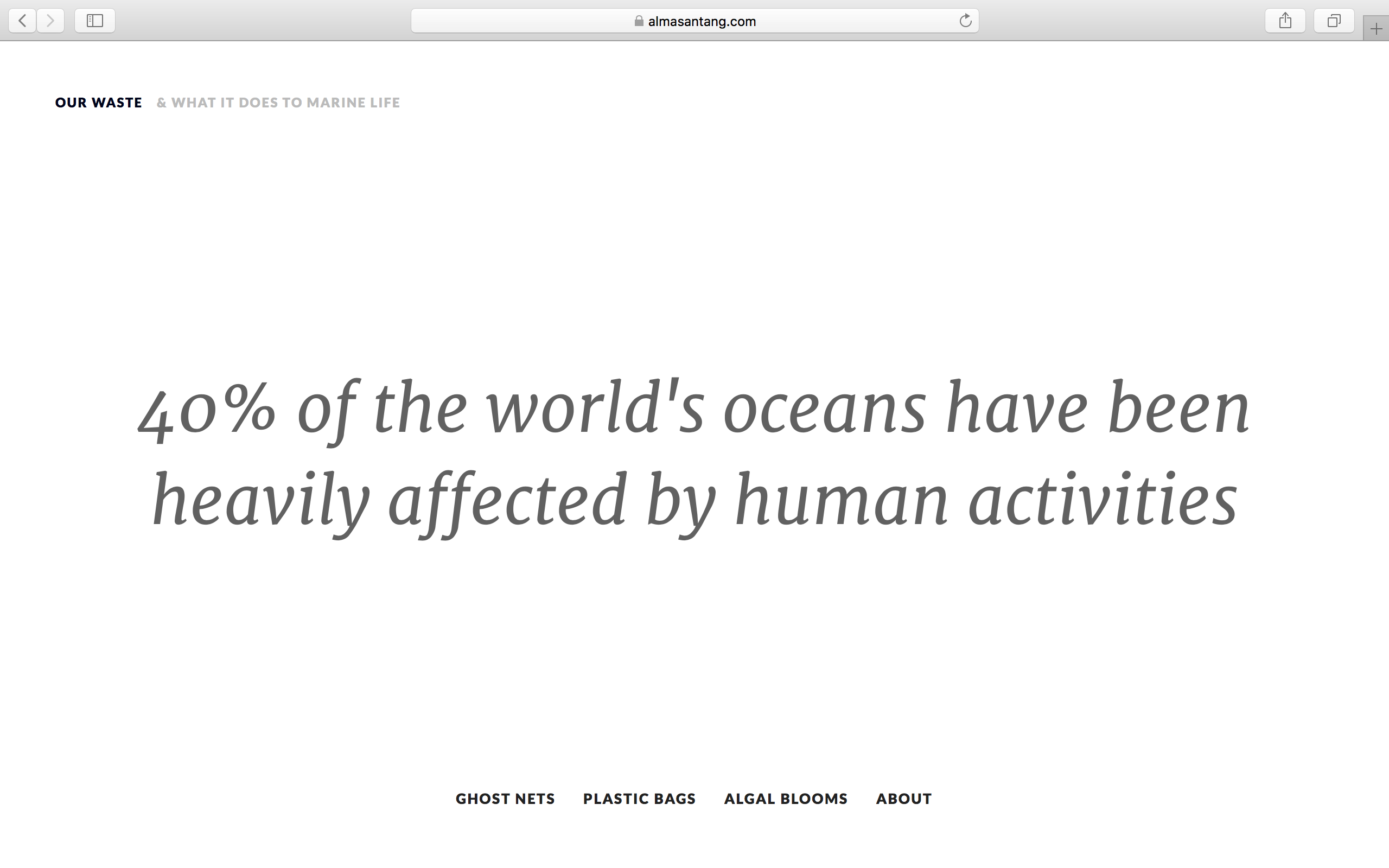
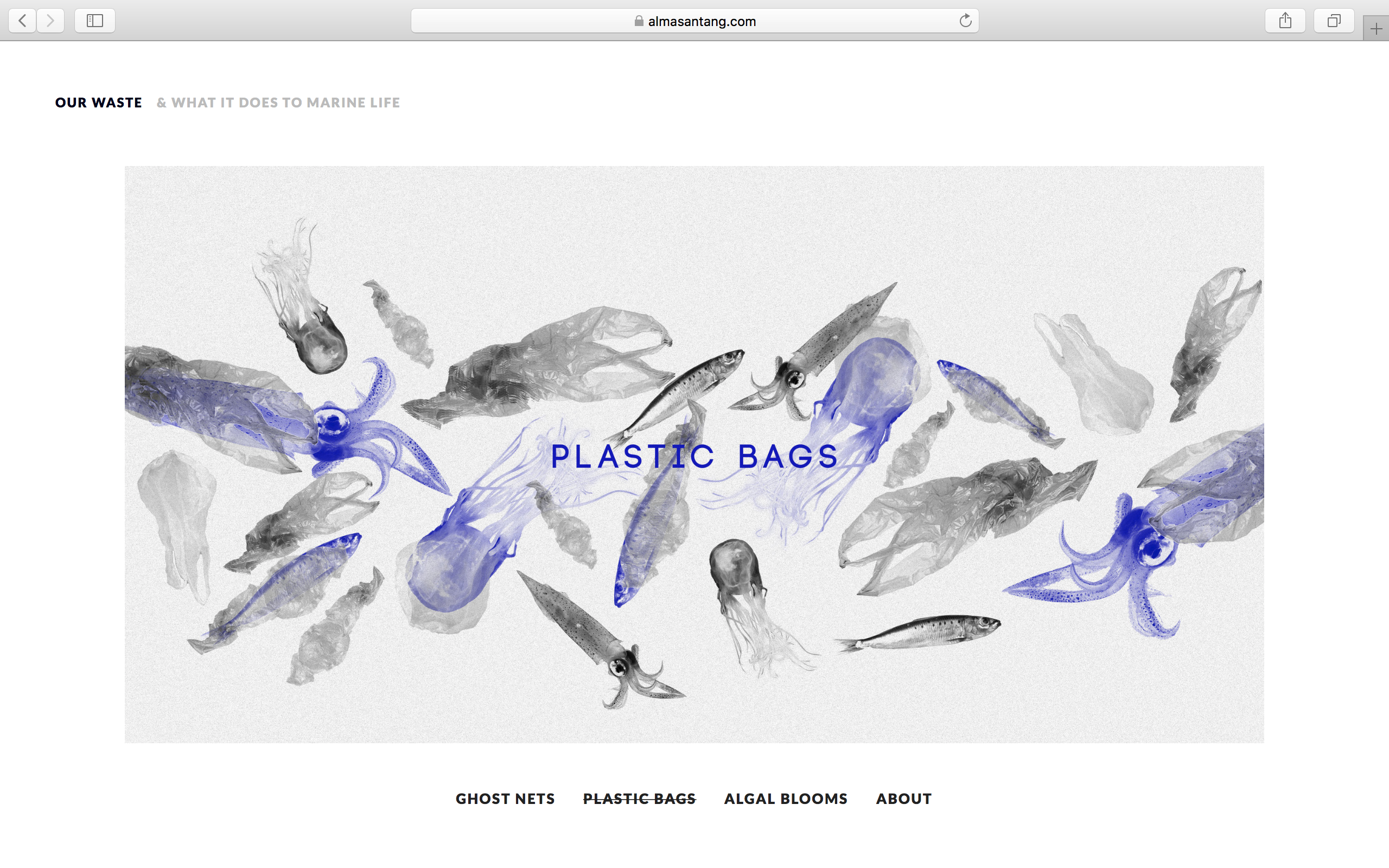
Our Waste, (2018) by Alma Santang

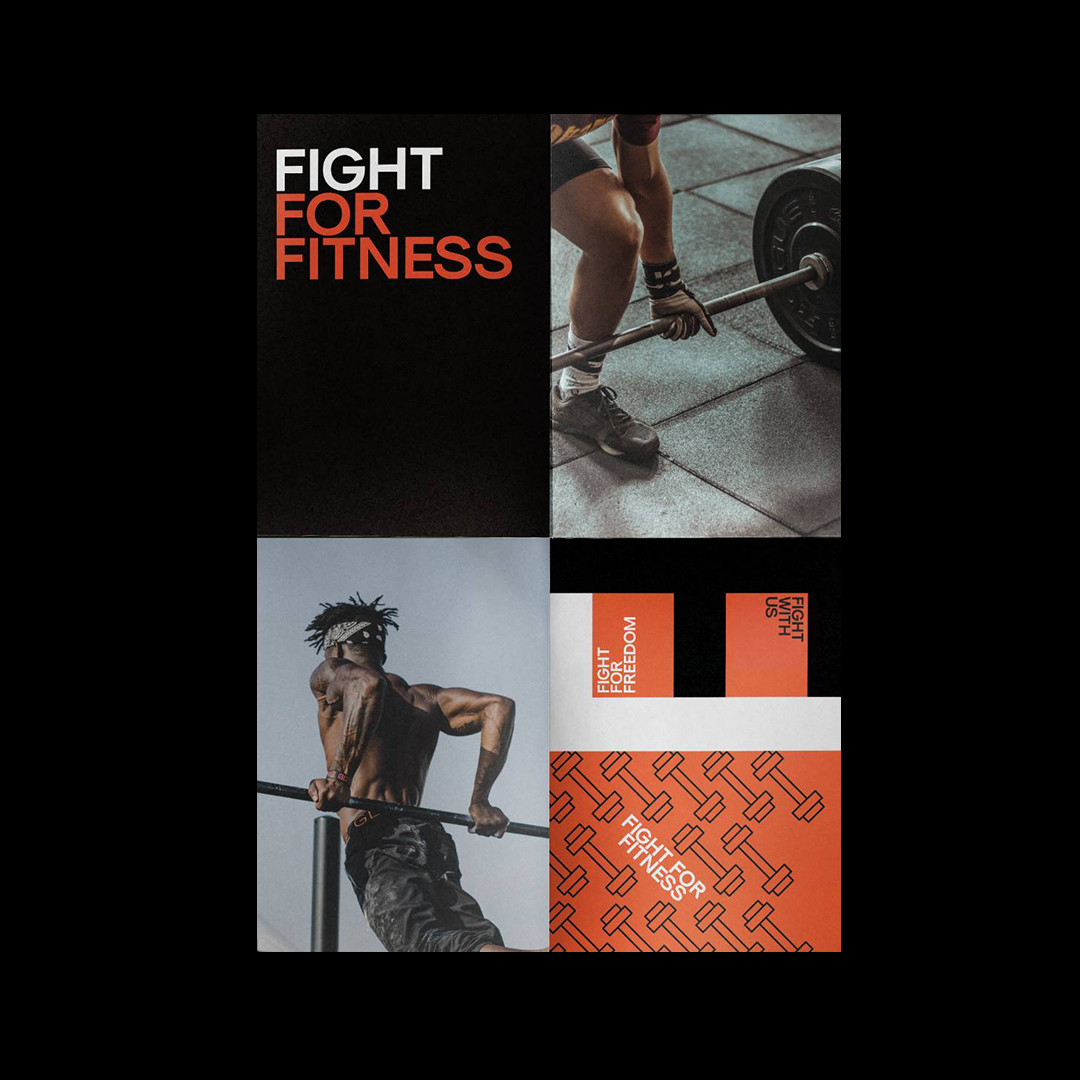
On another project that I did, I conducted research on former prisoners—focusing on their employability rates—by contacting several organisations in the field. The result from this 12-weeks long research was a proposed design solution, Fight for Fitness, a program to help reduce youth incarceration by utilising fitness. It is a personal training service that aims to close the gap between former prisoners and the community, by using fitness to replace segregation with opportunity and hope. The idea is that by completion of the program, the participants would be certified personal trainers. However, this type of non-profit design was not about the design outcome itself; it was about the people we were helping. It was not design for the sake of designing a solution; it was about designing for social good.
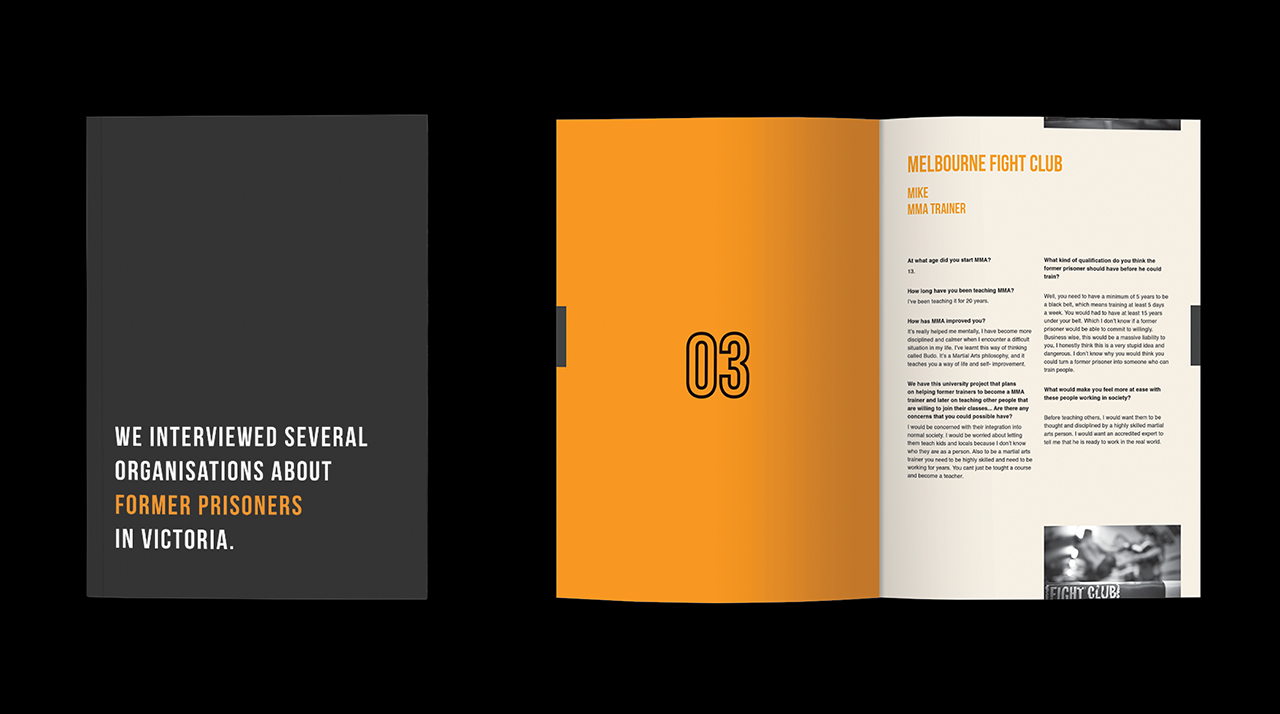
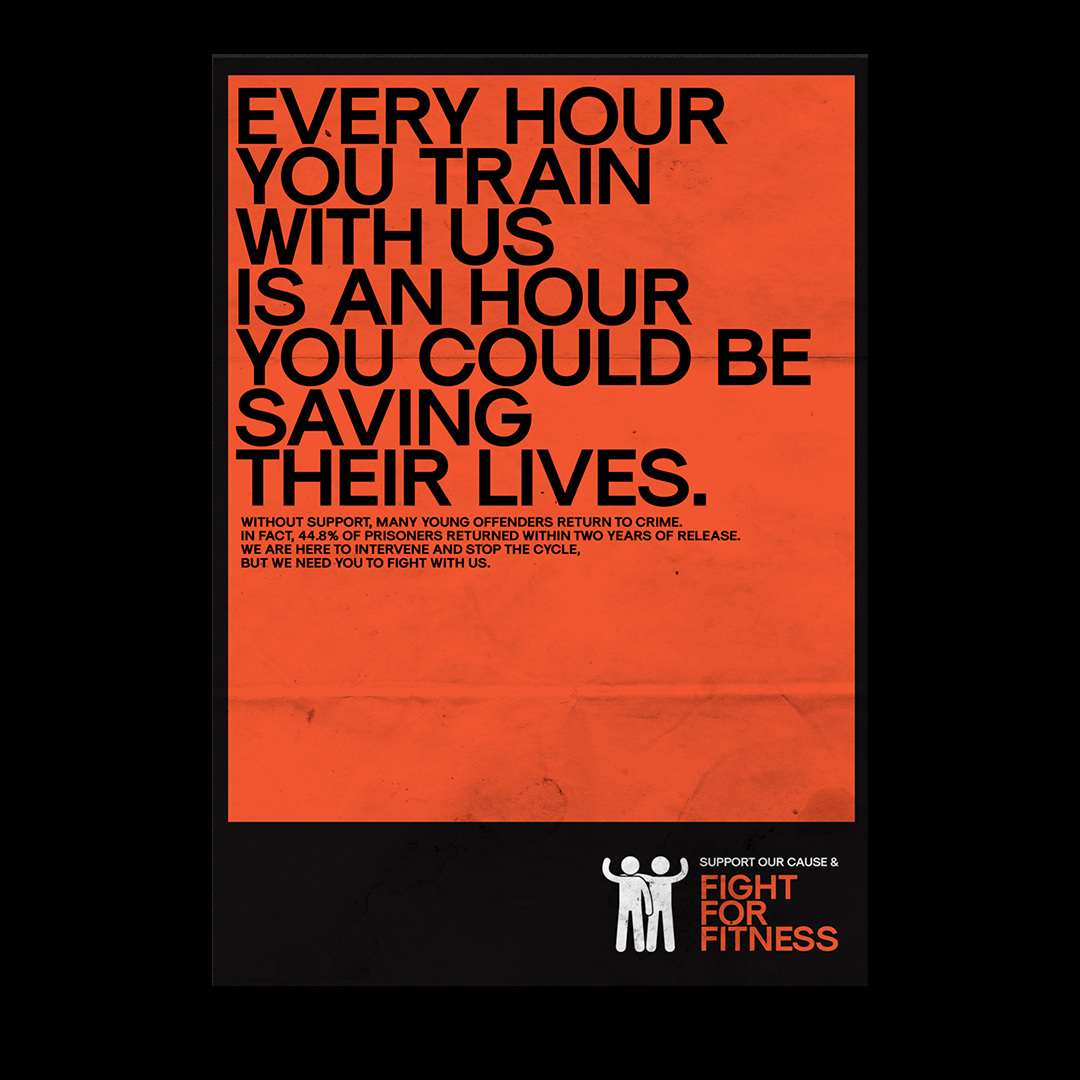
Fight for Fitness, (2018) by Alma Santang

Andrew Shea, on Designing for Social Change, said that the process of helping communities often motivates designers to work on similar projects in the future. This ripple effect in the design community could place graphic designers in key positions across industries where they could make a positive impact. The idea of social design and the developing discourse around it forces me to rethink what design is and as a designer, I will continue to help create impact in society in any way I could; with a hope that the water will continue to ripple.

References:

Engholm, Ida. Salamon, Karen Lisa. “Design thinking between rationalism and romanticism: a historical overview of competing visions.” Artifact, Volume 4:1 (2017): E1.1-E1.18.

Christoforidou, Despina. Olander, Elin. Warell, Anders. “Good Taste vs Good Design: A Tug of War in the Light of Bling.” The Design Journal, Volume 15:2 (2012): 185-202.

Shea, Andrew. Designing for Social Change. New York: Princeton Architectural Press, 2012.

Brillembourg, Alfredo. Clarke, Alison. Fuad-Luke, Alastair. Julier, Guy. Margolin, Victor. Verbeek, Peter-Paul. Design for the Good Society: UM 2005-2015. Rotterdam: nai010, 2015.

Margolin, Victor. “Social Design: From Utopia to the Good Society.” In Design for the Good Society: UM 2005-2015, 28-42. Rotterdam: nai010, 2015.
Live Exhibition: The Melbourne Department

by Alma Santang

Live Exhibition: The Melbourne Department

On Curator: The Museum Journal, an article written by Kathleen McLean titled “Do Museum Exhibitions have a future?” sparked interest in me. In this article, she questioned whether or not exhibitions can keep pace with the interactions available elsewhere. She concluded this article by saying that exhibitions will have place on the playing field only if they allow for “multiple forms of — the sharing of knowledge and work — in real time.”

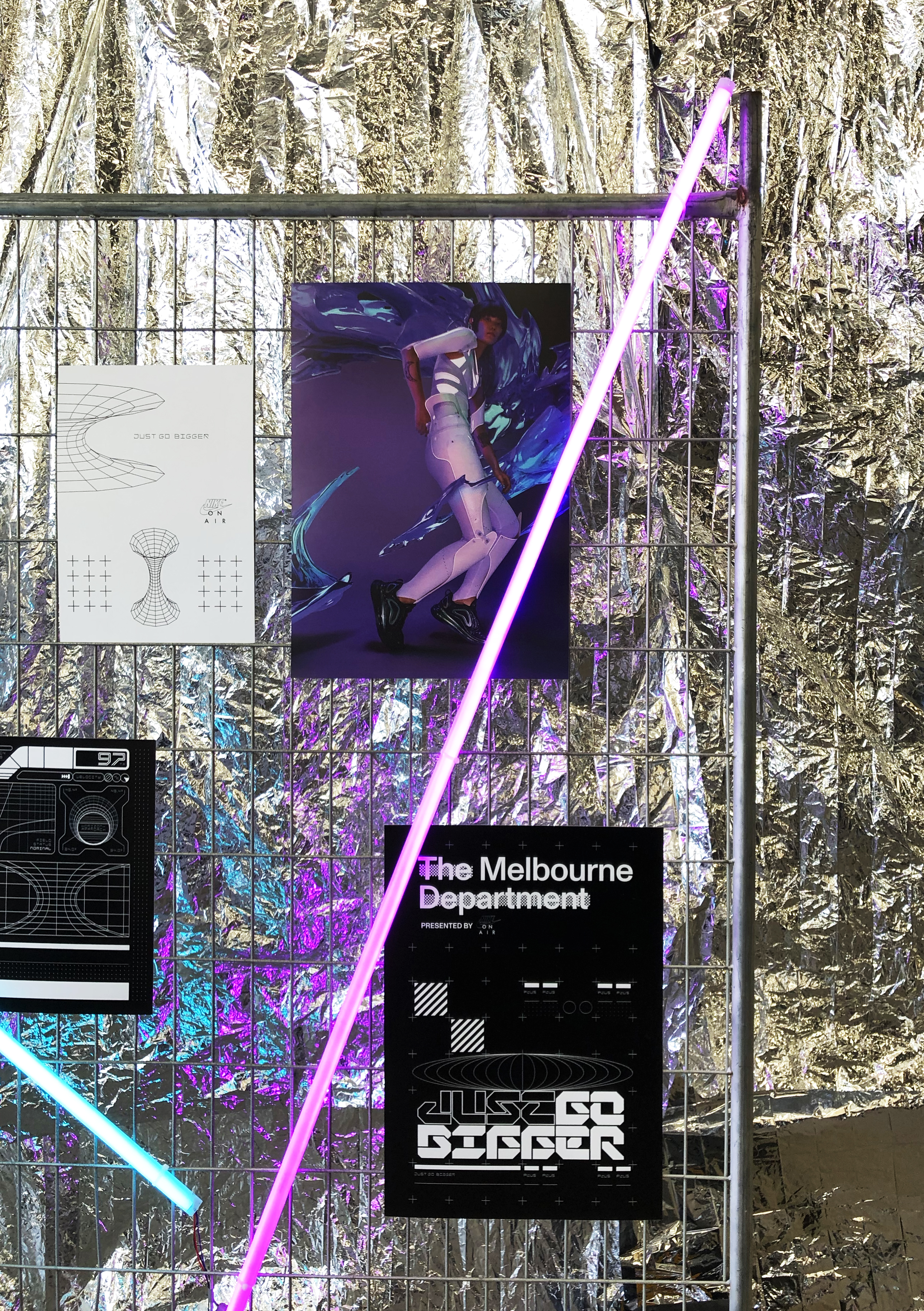
If that is the case, Nike has done it again with its live exhibition: The Melbourne Department. This exhibition was held in FAB9, a creative space in Footscray, for two days only; 23rd & 24th of March 2019. The Melbourne Department was a series of global events celebrating Nike Air, Design, Creativity and Learning. Nike has always come up with new, innovative products and equally innovative way to sell them. Nike’s President, Mark Parker, said, in order to stay relevant, Nike turns its design eye toward modern culture, pushing way beyond its roots as a performance running-shoe company.

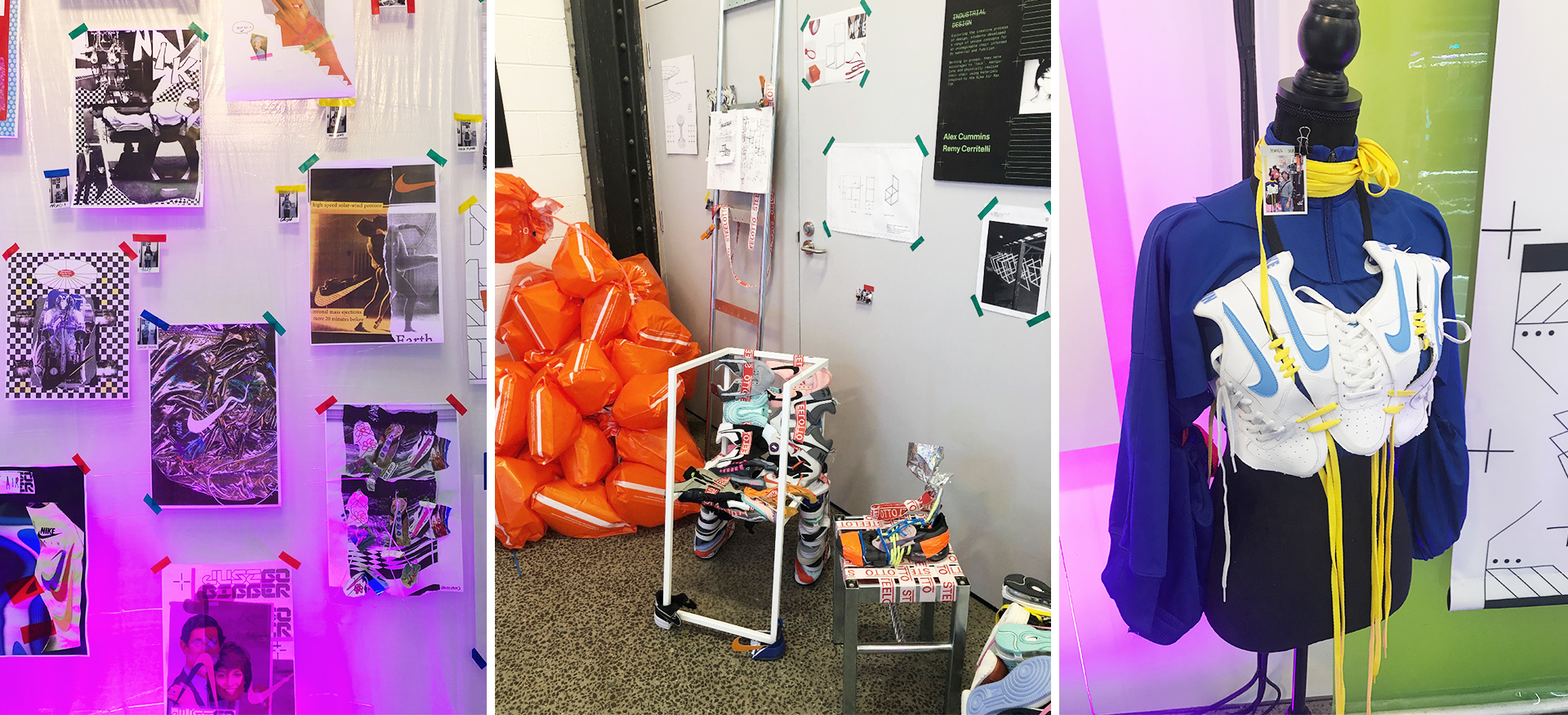
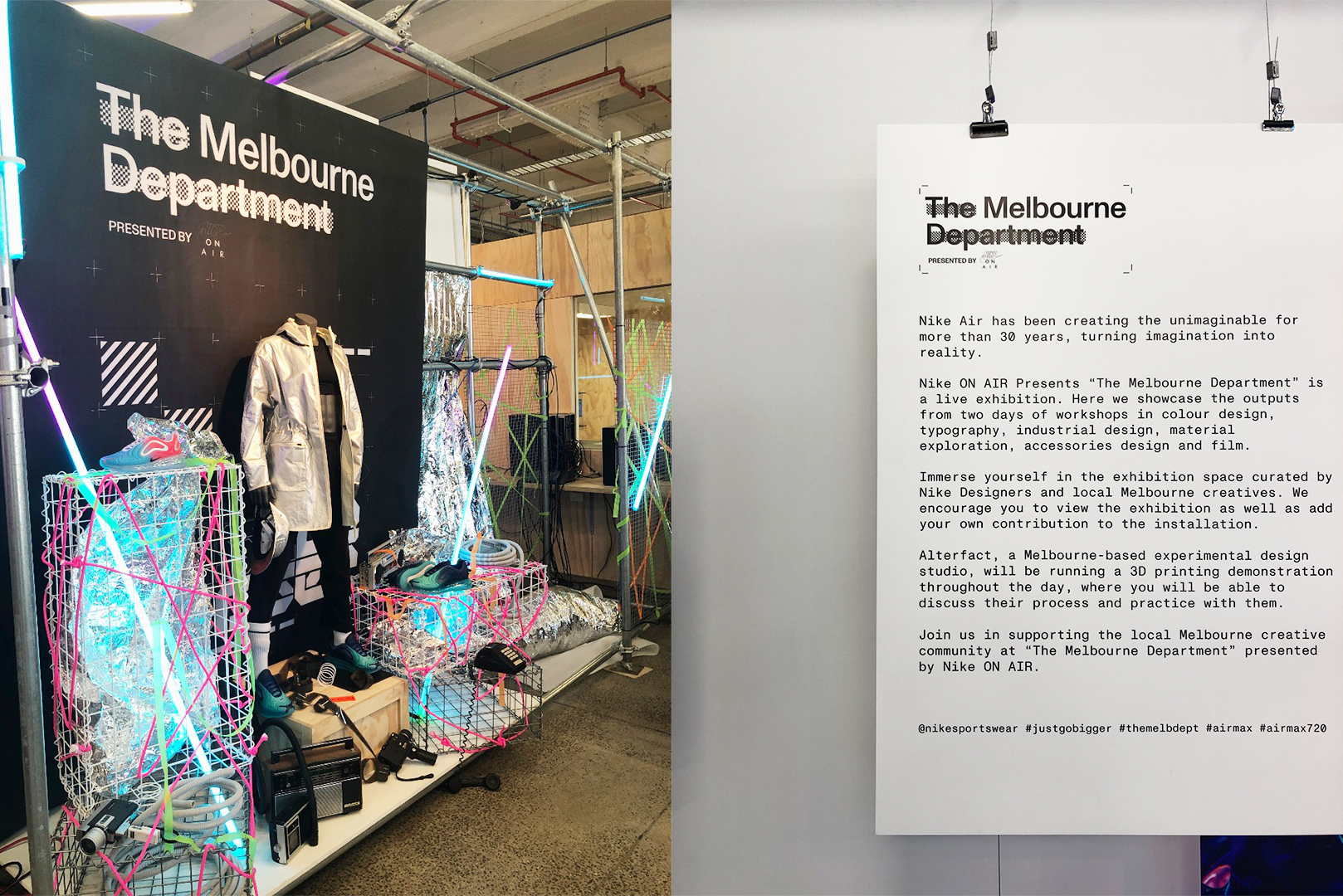
Left to right: Figure 1, The Melbourne Department installation. Figure 2, The Melbourne Department Exhibition label.

I can totally feel Nike’s energy and vision as I walked into the exhibition. Near the entrance, there was an installation with the sign that says, ‘The Melbourne Department,’ accompanied with a mannequin that showcased Nike outfit and a couple of Nike Air Max 720. “Nike Air has been creating the unimaginable for more than 30 years, turning imagination into reality,” was written on the label.

Even though the live exhibition was to celebrate Nike Air (the shoes), they showcased creative outputs across workshops in colour design, typography, industrial design, and material exploration. They also had workshops in accessories design and filmmaking that was running on the day.

Left to right: Figure 3, Participants’ work, typography. Figure 4, Participants’ work, industrial design. Figure 5, Participants’ work, material exploration.

I find it really interesting how Nike, a brand that is well known for its shoes and athletic wear, come up with this idea to bring together creatives from different industries to create something completely different from what is usually showcased on the shopfront. However, this all makes sense since Nike is a brand that is “dedicated to innovation” in the word of Phil Knight, Nike’s co-founder and current chairman.

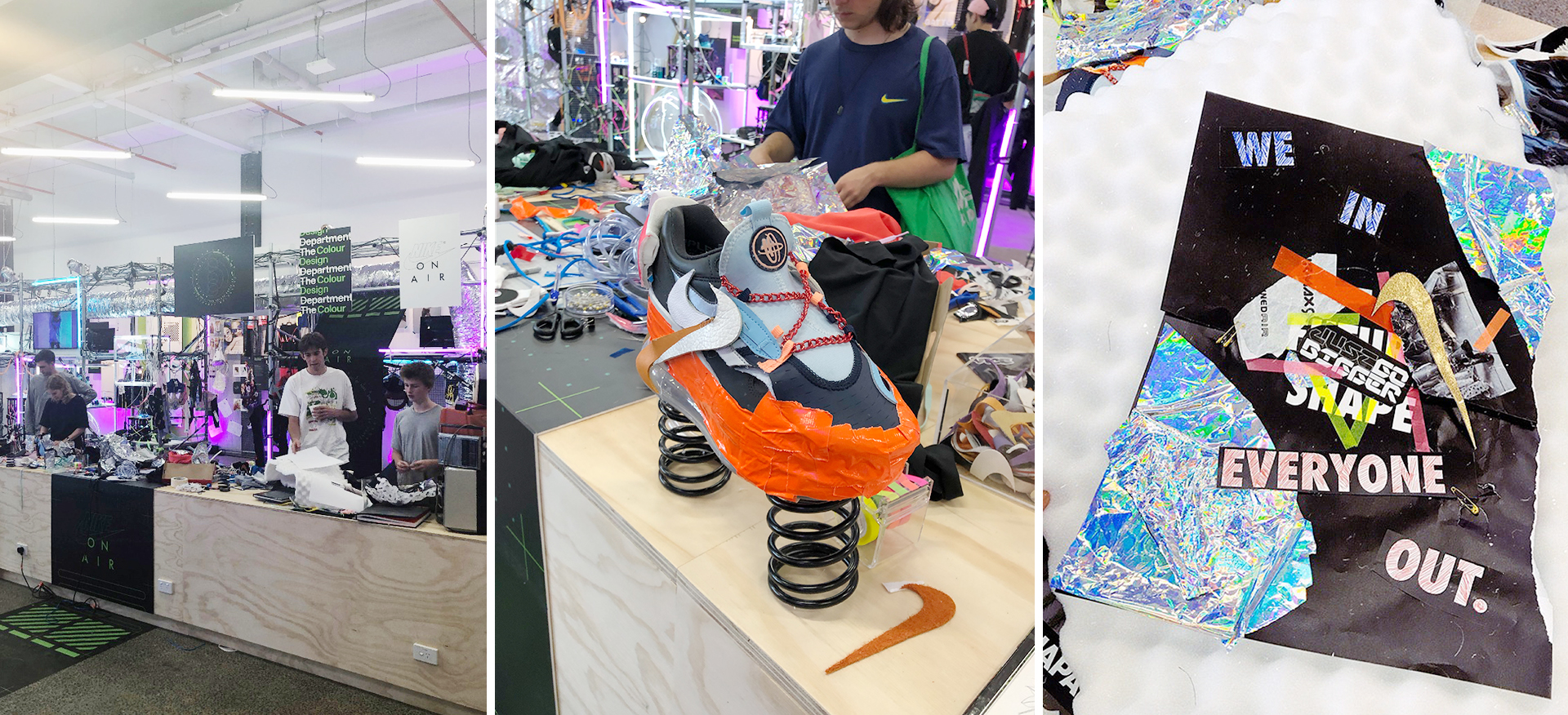
The highlight of this exhibition was the fact that attendees could contribute to the exhibition. On this space, scattered there were old magazines, some Nike shoes that people had cut into pieces, a box filled with the famous swoosh patches, and other materials attendees could use to create whatever their heart desires, all works have to be inspired by Nike Air of course.

Left to right: Figure 6, The Melbourne Department collab space. Figure 7, attendees’ work. Figure 8, my contribution to the exhibition.

The whole ambience of the exhibition was firing one’s imagination. The displayed works had made me realise that you can do so much with creativity, especially when you are being surrounded by other creatives. I found the whole concept of this live exhibition and the pieces that were showcased, fascinating, as there were no limitations in what the participants could achieve during the workshops. This live exhibition is a great example of what Participatory Design is (later referred to as PD). Matthew Holt, on Transformation of the Aesthetic: Art as Participatory Design, stated that PD is “more concerned with ‘up-skilling’ its participants than being commercially focused on the production of objects.”

Previous statement by Holt confirmed that design is now interactive and participatory. I think the concept of live exhibition is more appealing to the masses because we like to feel as if we are a part of something, especially in today’s world where almost everything is made ready for us. This has something to do with ‘co-creation,’ as Holt, reciting Muller, stated that it is the increased awareness of audience participation in the co-creation of meaning, and the realisation that exhibitions are not so much overviews but exercises or laboratories in speculative modes of interaction. Will live exhibition take over the conventional museum exhibition in this creative industry? Do we desire collaboration or co-creation that much?

References:

Frisch, Aaron. The Story of Nike. North Mankato, Minn.: Smart Apple Media, 2004.

Greene, Jay. Design Is How It Works: How the Smartest Companies Turn Products into Icons. New York: Portfolio, 2010.

Holt, Matthew. “Transformation of the Aesthetic: Art as Participatory Design.” Design and Culture, Volume 7:2 (September 2015): 143-165.

McLean, Kathleen. “Do Museum Exhibitions Have a Future?” Curator: The Museum Journal, Volume 50:1 (January 2010): 109-121. Accessed April 10, 2019. https://onlinelibrary.wiley.com/doi/10.1111/j.2151-6952.2007.tb00253.x