Understanding Ethics and Sustainability

The design world of the 21st century is a rapidly evolving one, especially when it comes to its impact on the earth. Sustainability in design is a value I that I have recently come to appreciate and understand, and I believe it is important to maintain an environmentally conscious mindset when approaching design. 

The fashion label ABC.H World is a brand that strives for the most ethical outcomes and at the same time does not compromise for style. Not only are the fabrics they use sustainable, but the process in which they are made meet ethical standards and working conditions [1].

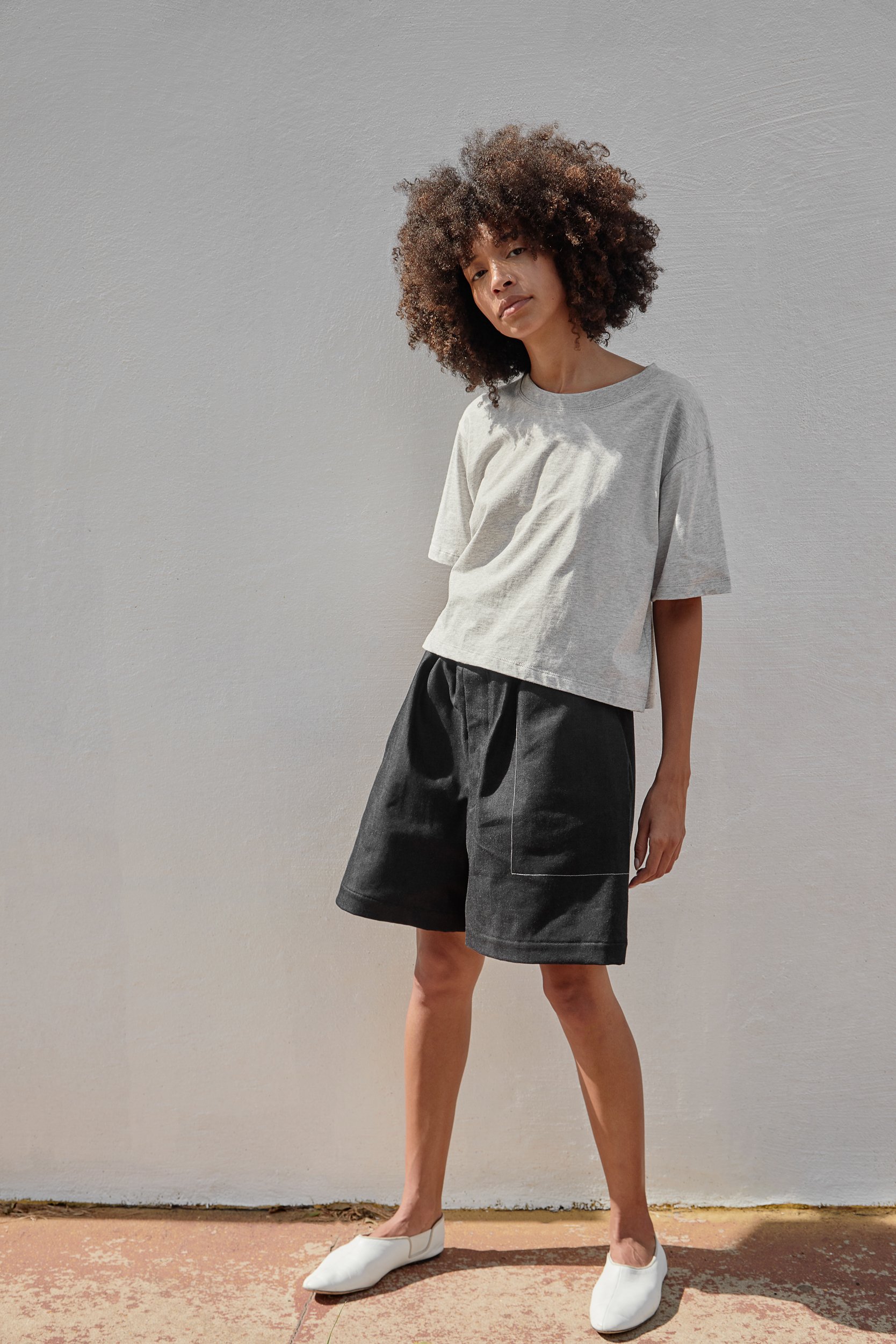
(A.BCH World)

Last year I participated in the Monash Prato study tour, where we were taken on excursions to various fabric production companies. I was able to grasp a better understanding of the origins of materials, the unethical working conditions in which some were made, the water wastage through dying and washing fabrics and the lack of transparency that many well known fashion labels fail to deliver. It also came to my attention that for a label to mention the usually glorified “Made in Italy”, only 20% of the physical item has to uphold this. 

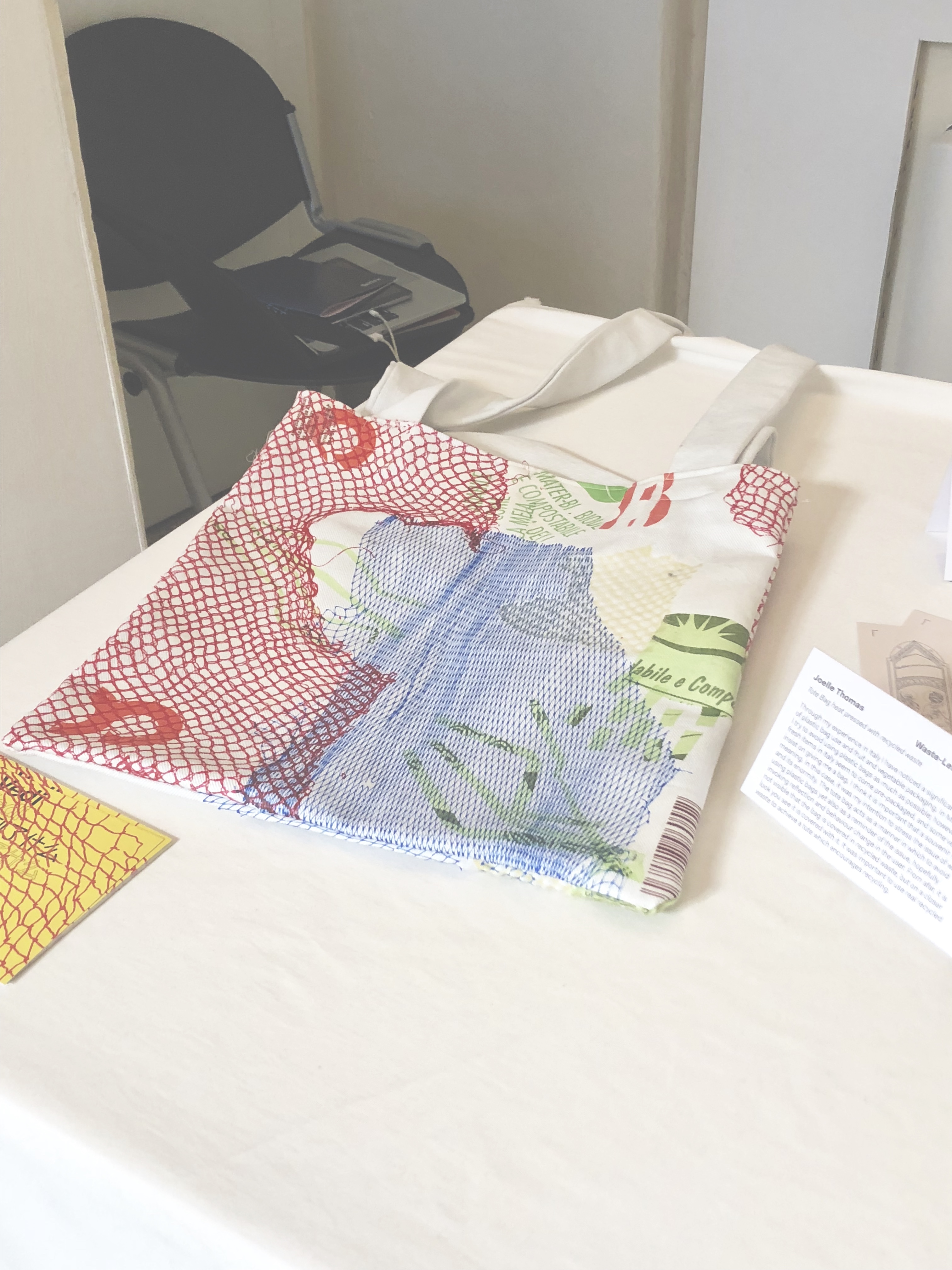
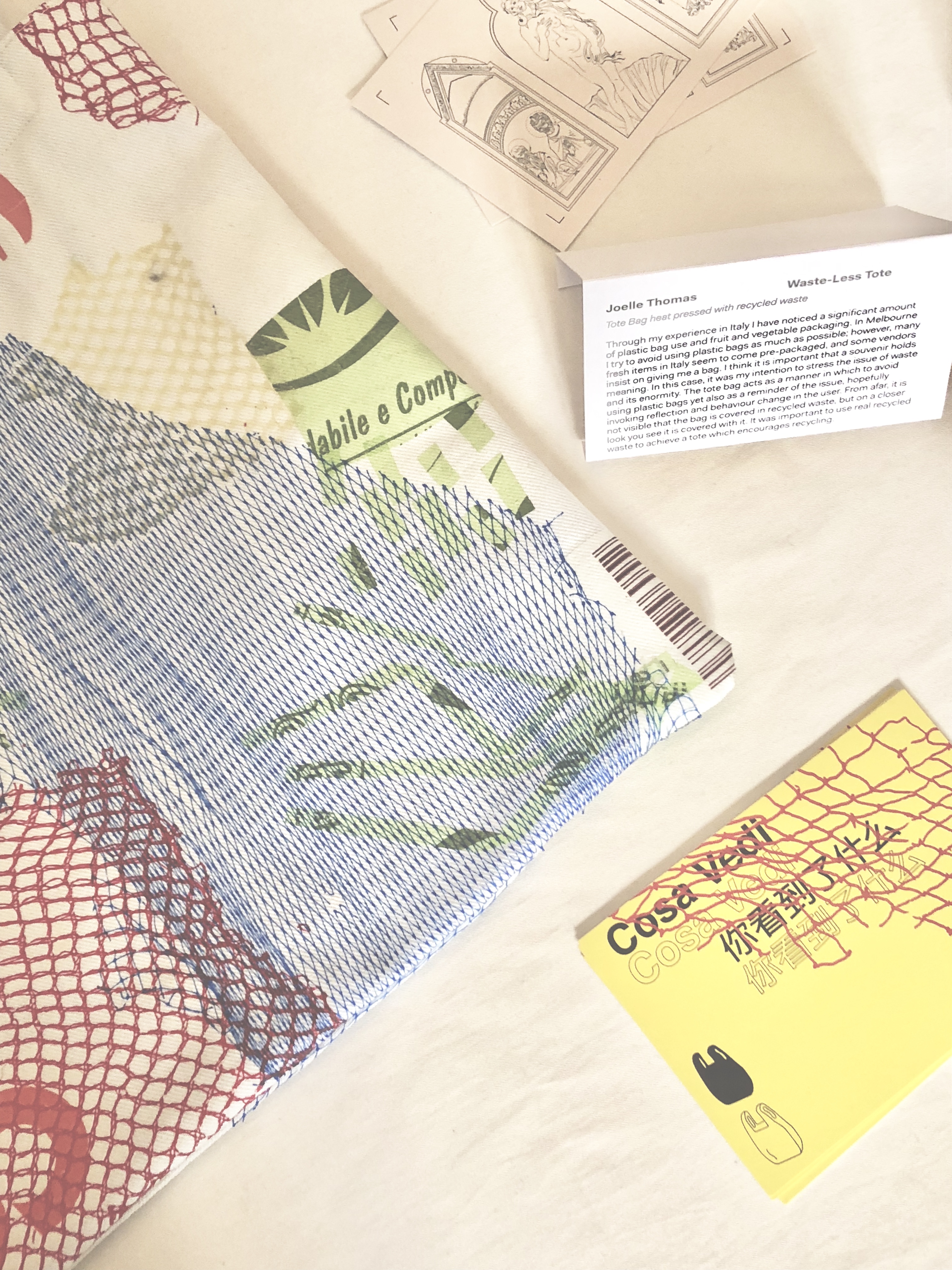
As a result, for my project during that stay, I decided to ensure an ethical process and outcome, from start to finish. The brief was to create an unconventional souvenir, something that went beyond the stereotypical fridge magnet or keyring, and spoke more of Italy and my experiences there. I had noticed the amounts of waste, especially at supermarkets. Packaging, plastic bags, and an excessive amount of receipts. Having had access to a heat press at the Lottozero, I created a tote bag sewn out of second hand material, and utilised the heat press to seal in various plastic waste such as shopping bags and fruit nets. As a result the bag acts as a substitute for single use bags and simultaneously speaking of the excessive amounts of unnecessary waste. I enjoyed creating something both practical and ethical.
Good Taste vs. Good Design discusses the connotations of ‘bling’ and whether the price value of bling can dictate it as ‘good design’ [2]. This makes me re-consider how big prestigious brands such as Louis Vuitton, Armani and Prada are labeled luxurious, yet fail to meet so many ethical standards. The fashion might be on trend, but at what cost? Can their clothing still be perceived as ‘good design’ if it is not made ethically?

I think it important to make a conscious effort, where possible, to shop and design ethically whilst also being weary of the lack of transparency some brands may have. For example the development of Whole Foods leads to seeing “the marketplace as a powerful but morally neutral vessel that can be used to promote good as well as bad” [3]. Its ethical intentions are good, yet it still manipulates buyers into mass consumerisms through idealised advertising.

Although I’m no fashion designer, I have found that through understanding the textile industry, and seeing successful brands such as A.BCH world I am now more determined to reflect this new knowledge into my communication design work. It has made me consider more the type of places I want to work for, and where I will need to draw the line between my values and my work. 

[1] A.BCH World, Date accessed: 6 April 2019, https://abch.world/pages/about-a-bch

[2] Despina Christoforidou, Elin Olander, Anders Warell and Lisbeth Svengren Holm (2012), Good Taste vs. Good Design: A Tug of War in the Light of Bling. United Kingdom.

[3] Adam Mack (2012), The Politics of Good Taste Whole Foods Market and Sensory Design. United Kingdom.
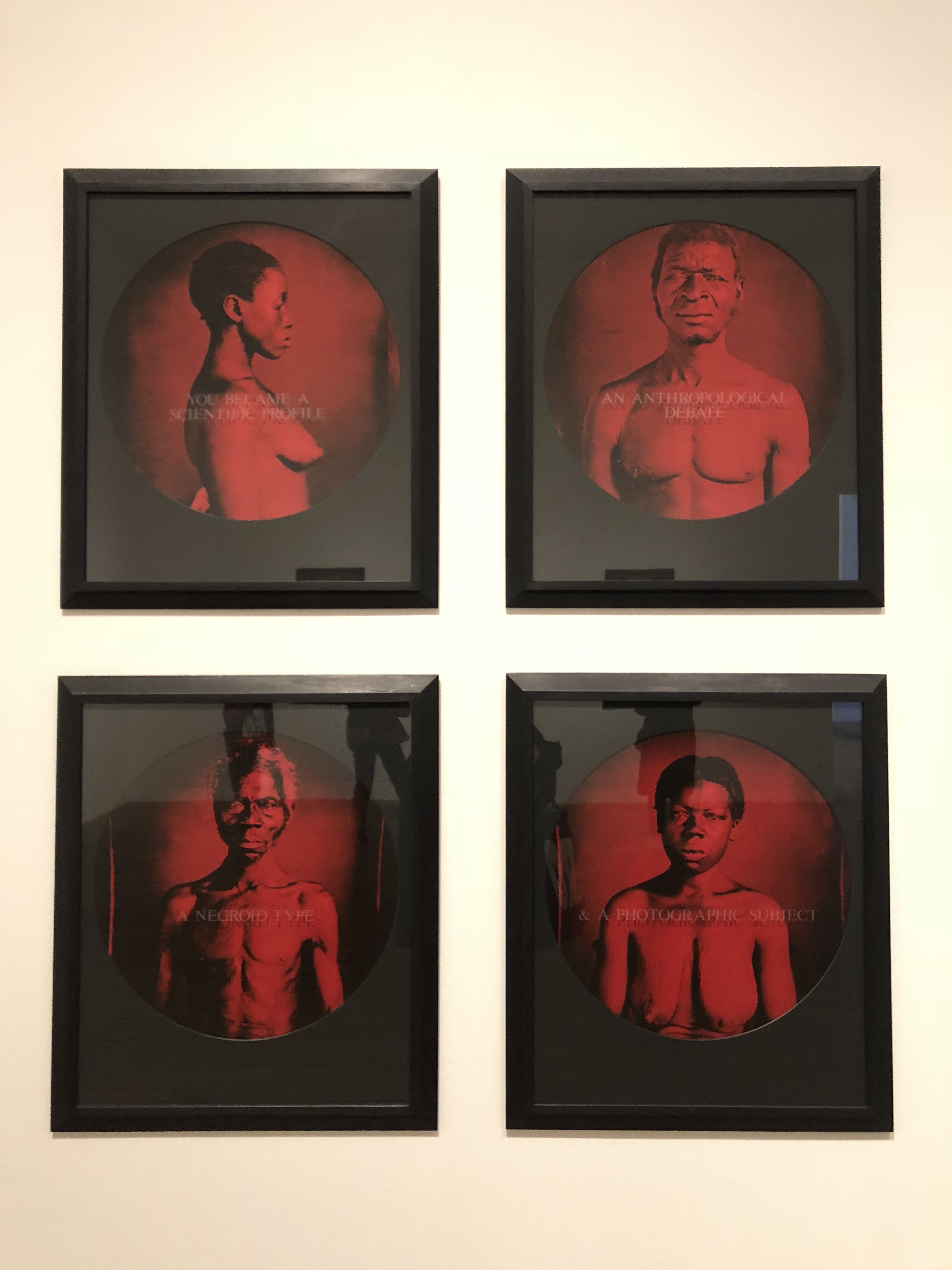
Cultural Ownership: “From Here I Saw What Happened and I Cried” – Carrie Mae Weems

During my time in England in late October of 2018, I attended the Tate Modern, a large well known museum of modern art, where Carrie Mae Weems’ “From Here I Saw What Happened and I Cried” series was displayed. The collection of photography was shot by Louis Agassiz in the 1950s as a means to show the relationship Anglo-America had with their slaves, however Carrie re-photographed the images through a red filter and engraved captions in order to give a voice to the African American people [1].

The red filter in the photos reflected a very raw and serious emotion from the Indigenous subjects. It emanates a shockingly confronting image, especially alongside the bare nude nature of the subjects. Many of the subjects in the images stared back at me, with intensity yet silence, unable to voice their hurt. The engraved captions complimented the images by supplying volume to the spoken silence. In their vulnerable states, we are able to receive communication and story from those who never had such opportunity. It is a retelling of experiences, but that are not to be taken lightly, as they carry suffering, pain and loss.

The Australian Indigenous Design Charter of Communication Design (AIDC:CD) was developed to reinforce need for equality and appropriate cultural representation in design. Through this process it is recommended that Indigenous projects should be Indigenous led, and that Aboriginal and Torres Strait Islanders should be included more in any Australian design process. Through the International Indigenous Design Charter (IIDC) it is clear that such intentions are to be reflected internationally towards all Indigenous cultures.

The nature of Weems’ work reflects the intentions of the AIDC:CD, as it emphasises the urgency of not overlooking the past traumatic experiences of others and that through  appropriate design processes, it is possible to achieve inclusivity, equality, higher ethical standards and respecting cultural ownership.

Juliana Luna Mora’s The Yoga Industry, discusses the glorification of the yoga industry, and how a form of exercise has become a multibillion dollar industry [3]. It is disappointing to see a practice morphed into a ways of consumerism. It is equivalently disappointing when Indigenous art is appropriated into stereotypical objects such as souvenirs and generic prints, so it is pleasing to see Weems make a stance like this and demonstrate the importance of the perspective of the Indigenous people themselves and to not let them be overlooked. 

Weems, being an African American woman herself, clearly draws from her desire to appropriately represent where she came from, and although her work may be confronting and saddening, it does get the message across. I am glad that she passed on these messages. From seeing this, and learning about the AIDC, I am learning more and more about the appropriate representations of Indigenous cultures and feel more confident in how to go about the design process when such cultures are involved.  

[1] Museum of Modern Art, Carrie Mae Weems: From Here I Saw What Happened and I Cried, date accessed: 1 April 2019, https://www.moma.org/learn/moma_learning/carrie-mae-weems-from-here-i-saw-what-happened-and-i-cried-1995/

[2] Indigenous Architecture and Design Victoria, Design Institute of Australia, Deakin University – Institute of Koorie Education, School of Communication and Creative Arts. Australian Indigenous Design Charter – Communication Design.

[3] Juliana Luna Mora, “The yoga industry: a conscious luxury experience in the transformation economy,” (PhD thesis, Monash University, n.d.)