Throughout history, women have suffered inequality and gender prejudice within the field of design, which is why it is so important to showcase the works of talented and driven women who may otherwise have not received the recognition they deserved. Designing women is an exhibition held at the National Gallery of Victoria from the 28th of September 2018 until 27th of September 2019 and highlights the ongoing role of female designers in shaping contemporary design [1].
Walking into the National Gallery of Victoria on a busy Monday morning during school holidays created a scene of frenzy around me. However, when I reached the third floor where the Designing Women exhibition was being held, there is a respectful silence. I believe this is because the dark room and brightly exhibition pieces make people stop and take in the works of art around them. From fashion to product design, to architectural and digital design, this exhibition really highlighted all the different types of contributions women have made to the practice and profession of design over the last 40 years [2].
It is argued that women throughout the past couple of decades have many more barriers imposed on them to be successful designers, barriers that an equally talented man may not face [3]. These barriers, or hurdles, according to Margaret Bruce and Jenny Lewis in ‘Women Designers – is there a gender trap?’, include completing a degree, attaining a job and becoming successful in that job [4]. Although in today’s society this may be easier to do, women in the past had a harder time of getting their design works recognised. This is why an exhibition like NGV’s Designing Women is important for all of us to appreciate.
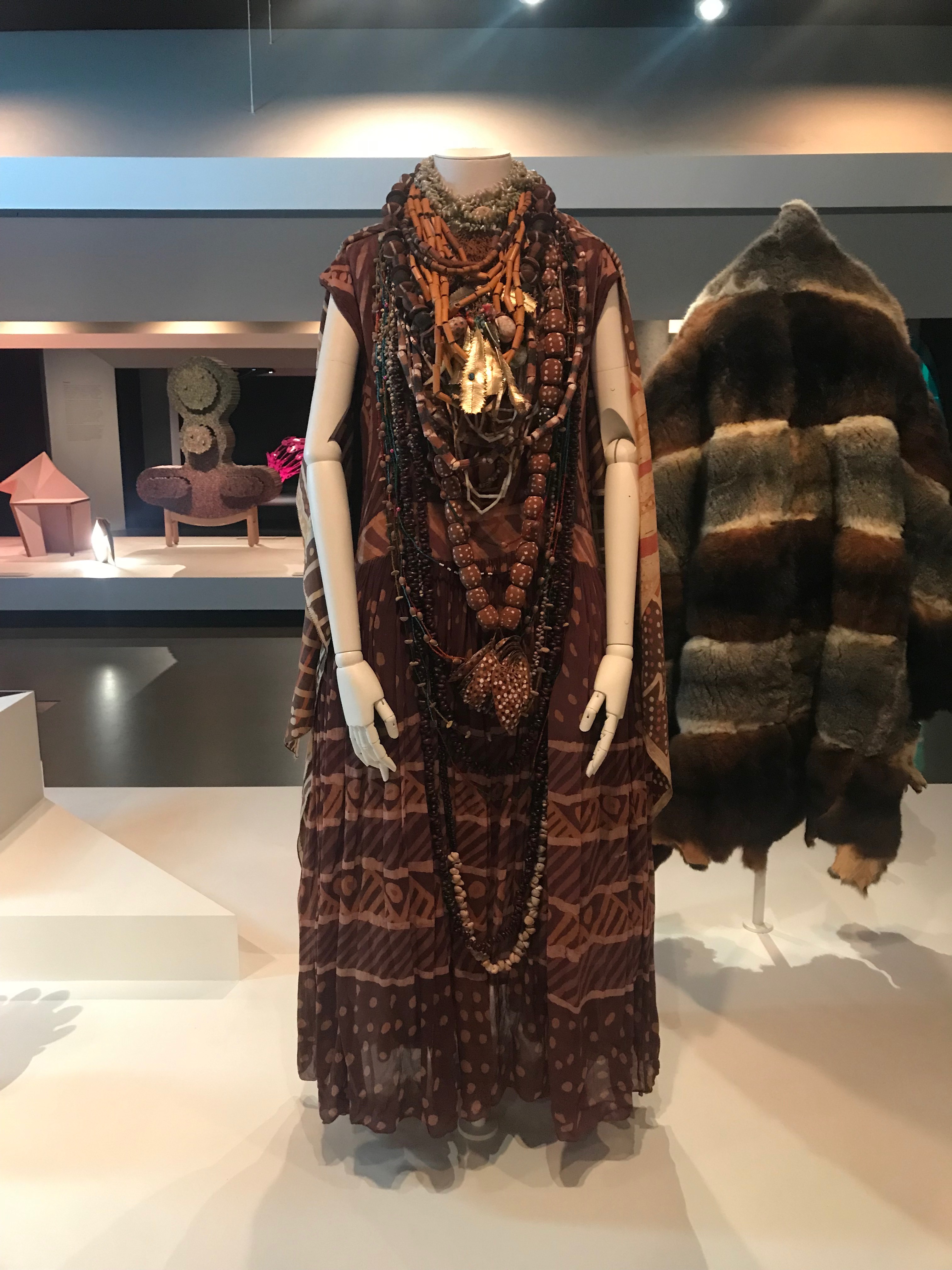
Figure 1. Person photograph of Linda Jackson’s ‘Tiwi Outfit’ – FRONT 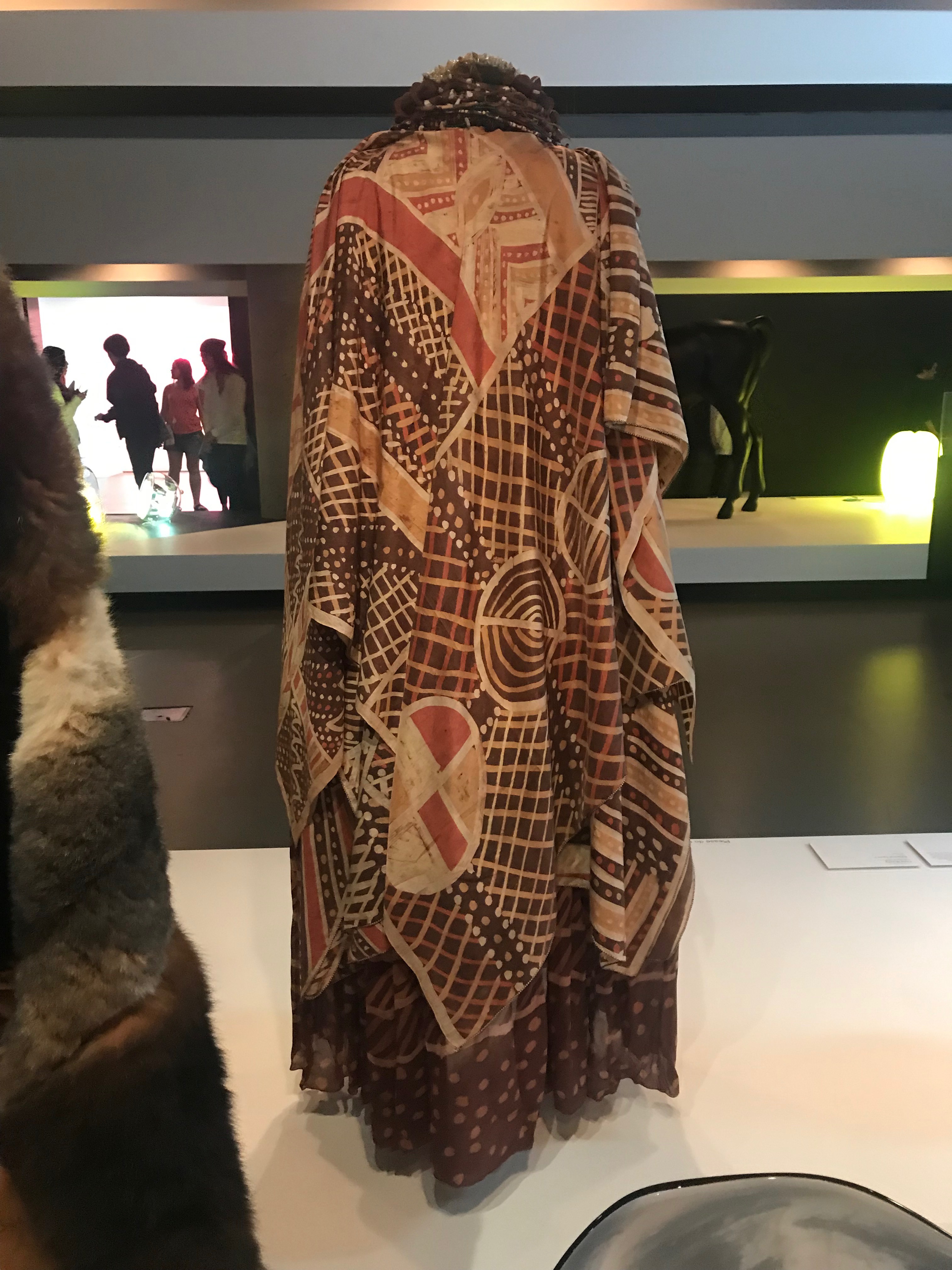
Figure 2. Person photograph of Linda Jackson’s ‘Tiwi Outfit’ – BACK
It also is important when focusing on women’s work throughout history that we also look at the women from different cultures and races, which this exhibition has perfectly included. From works from Indigenous Australians, to women from countries such as Japan and the Netherlands, the NGV has showcased the ideas, beliefs and values of many creative and inspiring women. One of the exhibition pieces that encompasses the teamwork and community of women is ‘Bush Couture’ by Linda Jackson (Figure 1 & 2). ‘Bush Couture’ has a whole range of pieces and all of them defy the limits of western fashion by focusing on influences from around the world [5]. However, the one showcased in the Designing Women exhibition is called Tiwi Outfit and is one of many collaborations with Indigenous artists and art centres.
Tiwi outfit was made in 1992 in Wurrumiyanga on Bathurst Island, and is a collaboration with Josette Orsto, a Tiwi born batik artist. The piece comprises Orsto’s silk batiks and twenty disparate indigenous necklaces collected by Jackson on visits to numerous indigenous communities. The layering of the batiks dyed with Tiwi jilamara (designs) references Tiwi island performers adorned for Pukumani (mourning) and Kulama (coming of age) ceremonies [6].
This outfit is beautiful and the different patterns and colours link significantly with the theme of ‘bush couture’. However, an important feature of this outfit is that Jackson has incorporated ‘Respectful Design’ into it. Respectful Design implies “forgoing vast emotional experiences that validate privilege, and instead amplifying the voices of the oppressed” [7]. Jackson had sought for different pieces of jewellery from Indigenous people, which makes the purpose of the outfit more genuine, and she also discussed with a collaborated with Indigenous people, which is seen to be respectful to their cultures and values.
In conclusion, the Designing Women exhibition celebrates the work by female artists and designers from all cultures and backgrounds, such as Linda Jackson and Josette Orsto. It highlights the ability of women to challenge gender prejudice and allows talented female designers to be acknowledged for their professional contributions separatately from their gender identity, while also inspiring all those who view their work.
References:
[1] “Designing Women”, Ngv.Vic.Gov.Au, accessed April 9th, 2019, https://www.ngv.vic.gov.au/exhibition/designing-women/
[2] Ibid
[3] Bruce, and Lewis. “Women Designers — Is There a Gender Trap?” Design Studies 11, no. 2 (1990): 117
[4] Ibid, 117
[5] “Linda Jackson Bush Couture”, Ngv.Vic.Gov.Au, accessed April 9th, 2019, https://www.ngv.vic.gov.au/exhibition/linda-jackson-bush-couture/
[6] Ibid
[7] Onafuwa, Dimeji. “Allies and Decoloniality: A Review of the Intersectional Perspectives on Design, Politics, and Power Symposium.” Design and Culture 10, no. 1 (2018): 11
 Design Practices