By Pin Chen Chen
“Another limiting factor in establishing a design world is that most people understand in terms of what it has been rather than what it might be”[1] stated by Victor Margolin in the design journal. However, Dale Hardiman perfectly did the job by transforming something into a brand new form. He is a Melbourne based designer who focuses on more conceptual ideas. In contrast to mass production, which is an efficient and repeatable manufacturing process, his experimental design practice refuses to be universal and instead, he extends his research on organic materials to re-create unique forms of design objects. He challenges the principle of the industrial economy and notices the waste of consumer culture. In the interview, Hardiman talked about his true interest in the idea of DIY making and thought about “why couldn’t we reproduce things in our home, we have so many intelligent materials, why couldn’t we?”[2]
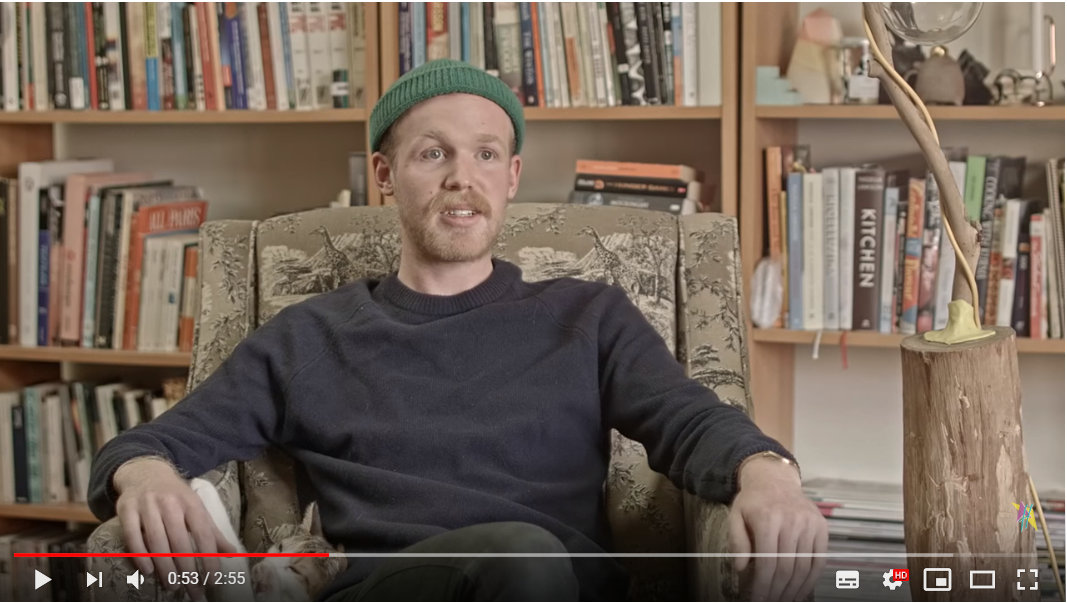
I was inspired by this interview and his belief in using ready-made materials and turning them into something completely new. Therefore, I designed a little giveaway DIY set(figure2&3) for the people who visit the exhibitions. Inside of this set contains bits and pieces of shapes that you can slot together to create your own little version of furniture or maybe other kinds of forms. All of these shapes are created from reusable bags and boxes which I collected from different stores and markets, I used the laser cut to cut off each pieces and paste the bags and boxes together to create the thickness.
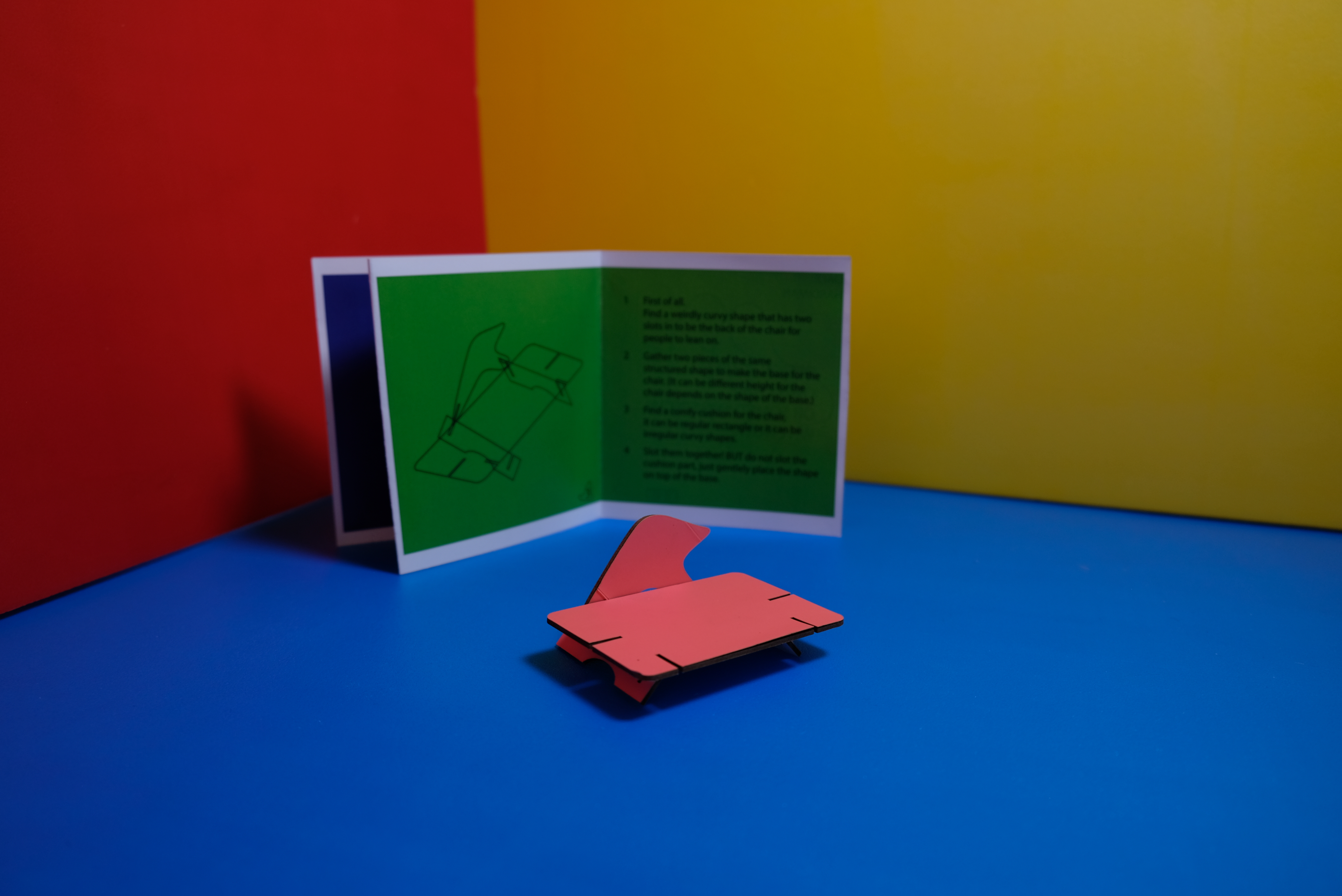
Figure 2, DIY SET, designed by Pin Chen,2018 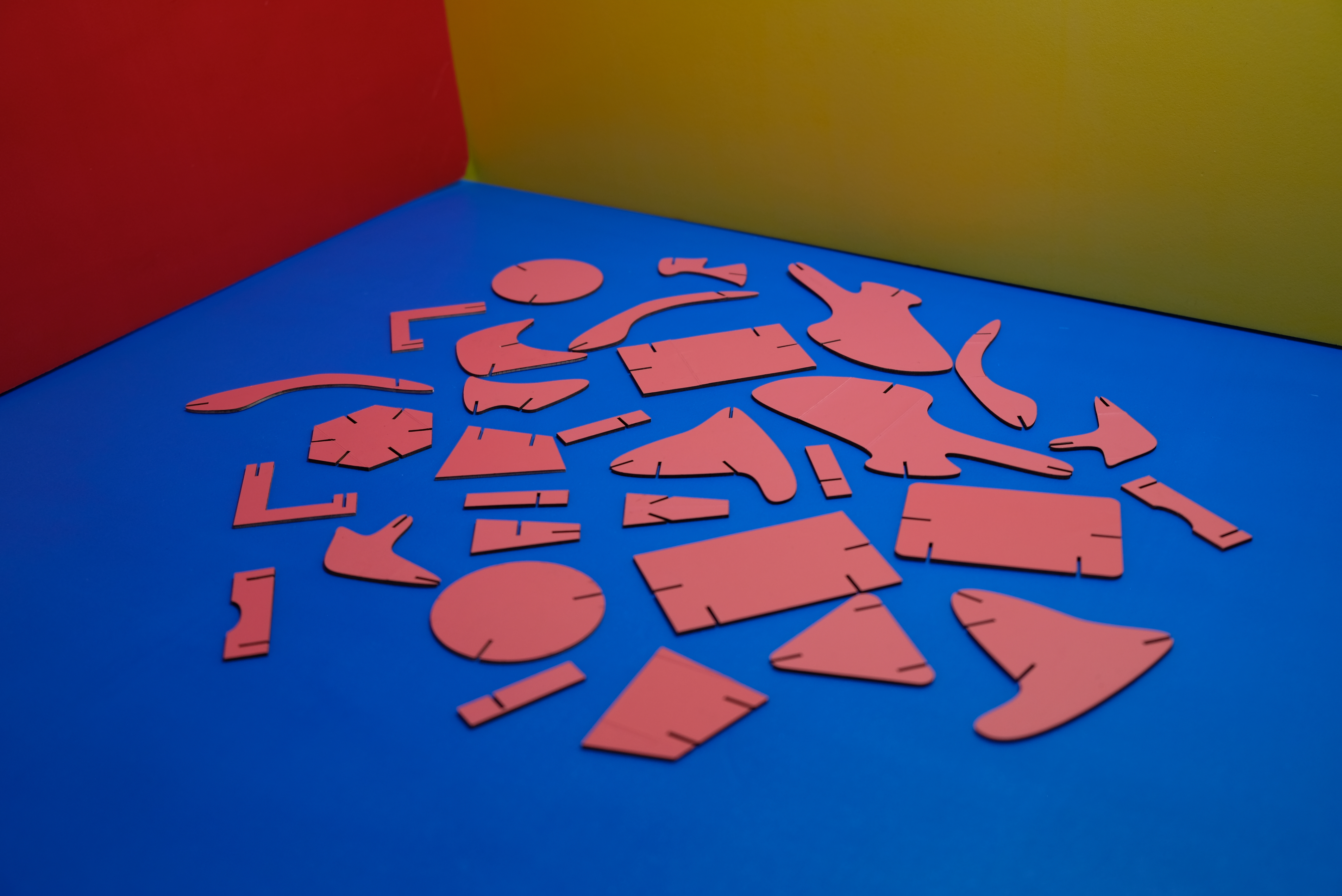
Figure 3, DIY SET, designed by Pin Chen,2018
In relation to Hardiman’s work, the Best of the Best Polly chair was exhibited at the NGV. It is a “simple plastic chair from Ikea covered entirely in colourful globules of biodegradable polyester plastic”, the plastic transforms into a “soft transparent blob when immersed in water 60 degrees Celsius and above.”[3] It will then turn into a unique handmade formed chair which sarcastically emphasises and contrasts how a mass produced company can be transformed into a self-produced piece of decorative art.
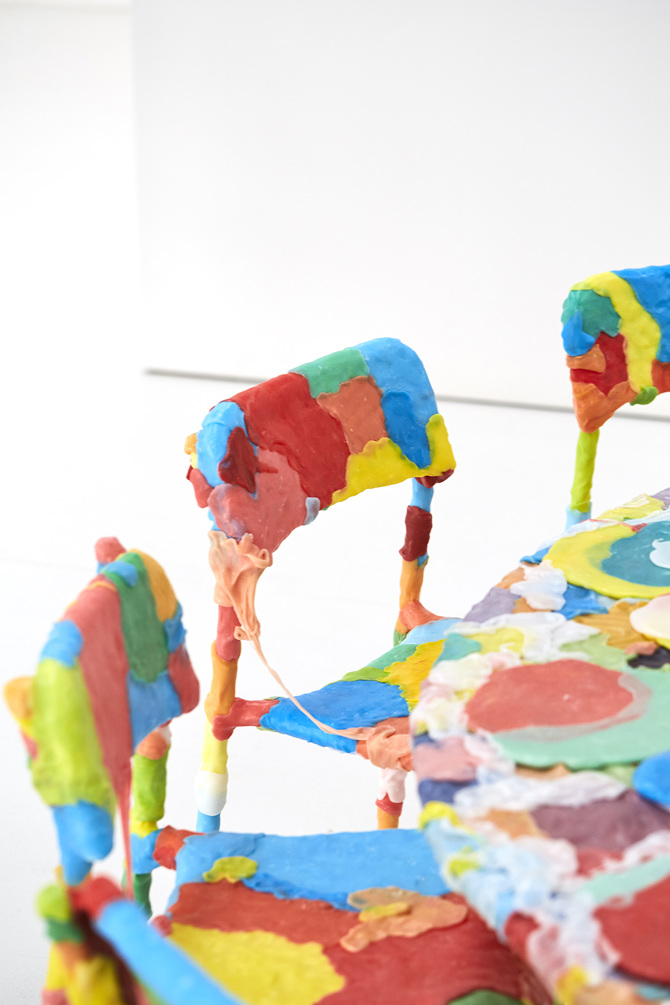
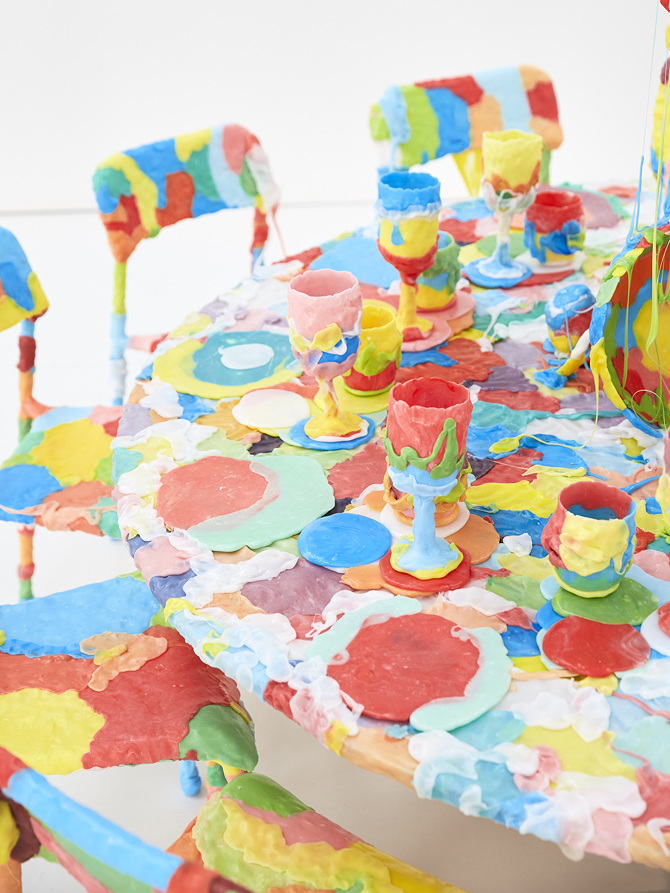
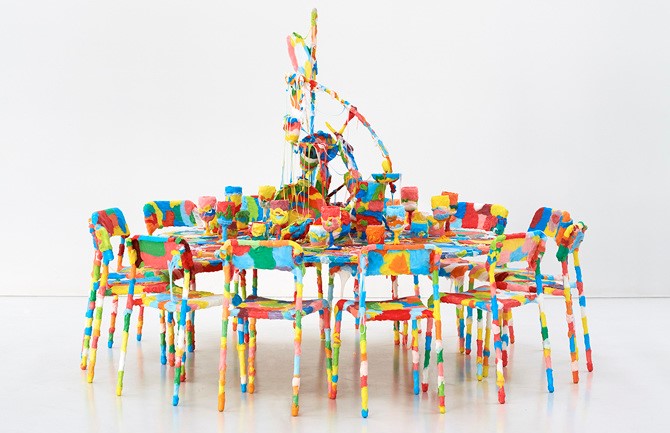
Figure 4&5, Best of the Best collection, Dale Hardiman,2016
photography by Kristoffer Paulsen
Despite the concept of this work, do you consider this as good taste or good design?
Bourdieu stated “social subjects classified by their classifications, distinguish themselves by the distinction they make, between the beautiful and the ugly.”[4] People might immediately assume this chair is a cheap Ikea product with some crafts on that would make them question why this work is displayed in the exhibition without reading the description. However, the world has changed and people nowadays are more aestheticized, where their taste has become more individual due to the technology arising. Dale Hardiman’s work is trying to advocate for the concept of having the choice of reusing or recreating recyclable materials for a better cause by experimenting new forms of objects and to continue the essence of life cycle. The effort that he puts into his work is extraordinary, which I would go with good design but also good taste because his ideas and concepts reflect in our daily lives and what he created was more of a sculpture instead of a functional chair.
References
[1] Margolin, Victor. “Design Studies: Tasks and Challenges.” The Design Journal16, no. 4 (2013): 403.
[2] Amateur Hour, “Amateur Hour Spotlight: Dale Hardiman (designer)” (online video), published October 13, 2015, accessed April 8, 2019, https://www.youtube.com/watch?v=GlH2SgfbL98
[3] National Gallery of Victoria, Best of the Best Polly Chair 2016. Didactic panel to accompany the furniture “Best of the best Polly Chair 2016 shown at Contemporary Design and Architecture: NGV International, 7 July – 8 November 2018. Visited on 5 August 2018.
[4] Bourdieu, Pierre, Nice, Richard, ed, Distinction : A Social Critique of the Judgement of Taste. (Cambridge, Mass.: Harvard University Press, 1984), 6.
 Design Practices