Do you know Pierre Davis?

by YING HUI TOI

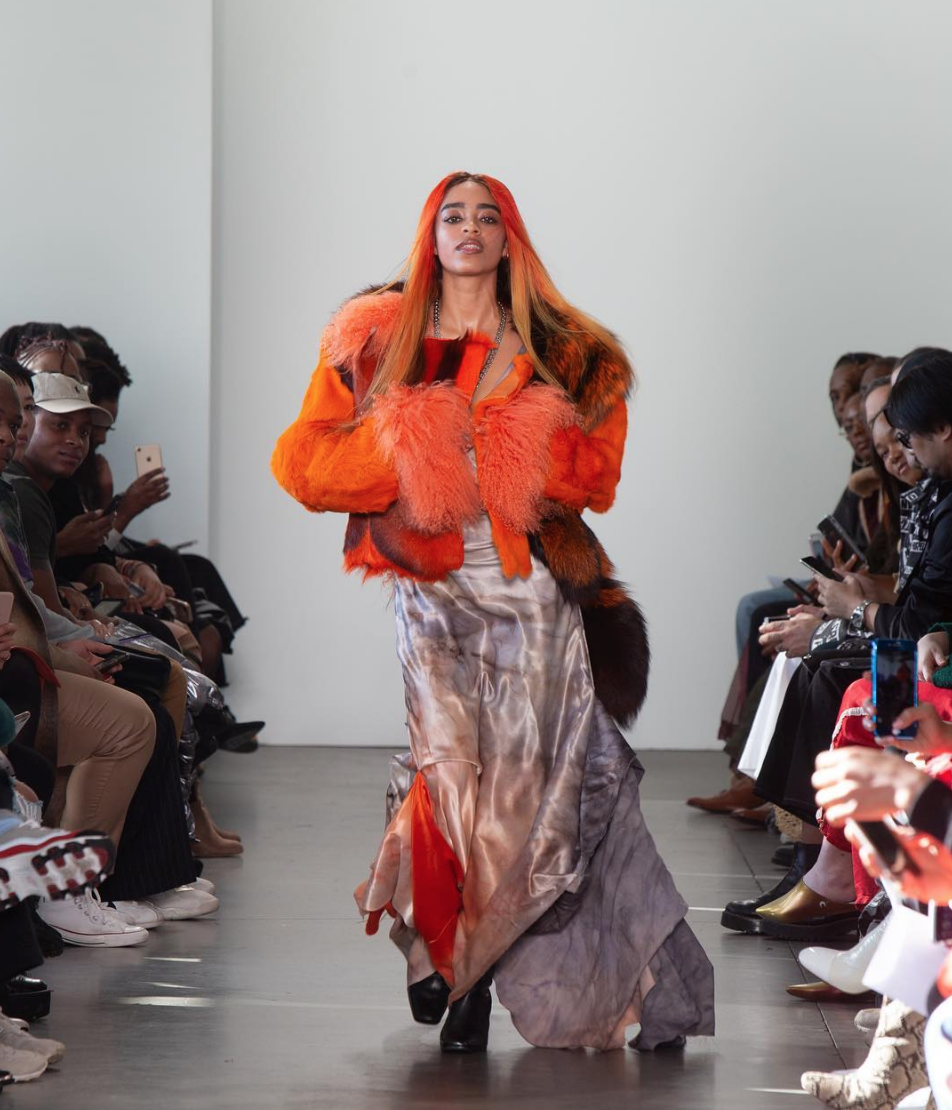
Pierre Davis is the first transgender fashion designer to debut in the recent AW19 New York Fashion Week (NYFW). [1] She is the founder of the brand NO SESSO, based in LA. The name NO SESSO means ‘No Sex’ in Italian, which stands for the direction of it is brand being an agender, creating a gender-fluid collection that caters for people with any pronoun and gender identity. [3] Davis’ goal is to “inspire people to be more community-minded and to realize not everything is just about aesthetics or commerce. It’s also about humanity.” [4] During the fashion week, her collection is worn by transgender models, male and female model of all size, showing that No Sesso is a fashion brand is all about inclusivity. [5] No Sesso might just be the catalyst of making the fashion industry to be more open-minded. In an interview with Pinterest, Davis states that her creativity comes from looking inwards and exploring self-thought then showing it to the outside world. [2] Despite being in a competitive industry, Davis insists to stay true to herself and work with her peer to design clothing that accommodates to the LGBTQ+ community. [6] No Sesso pushes the boundaries, where she sees her creation a form of art.
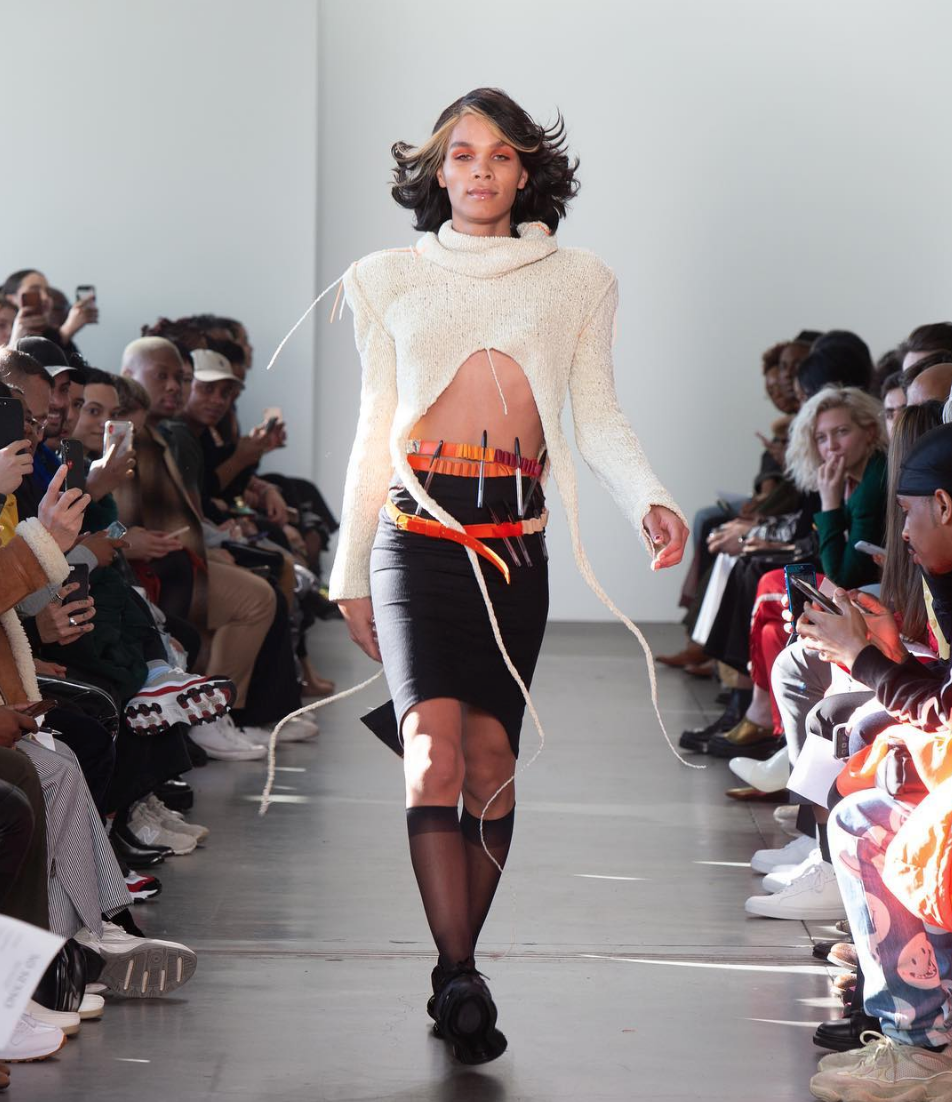
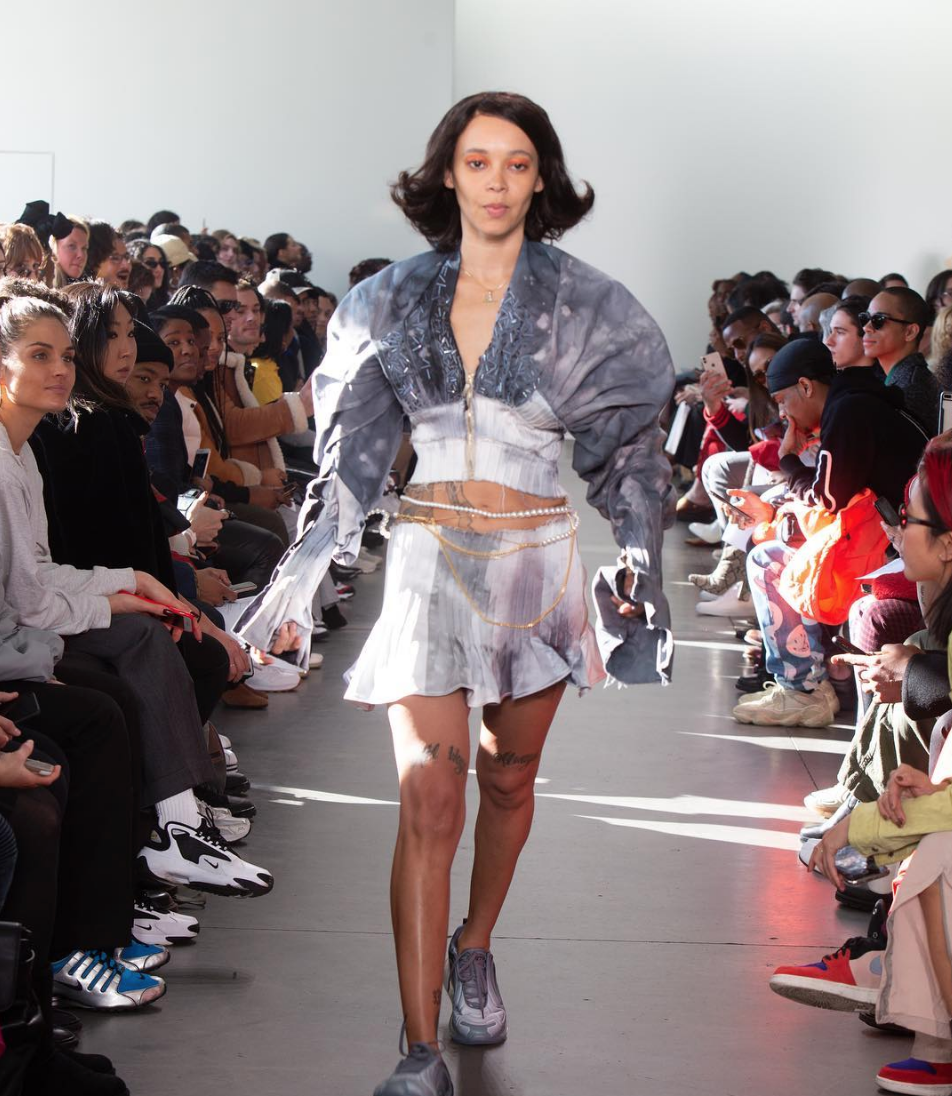
You might be wondering, why would be Pierre Davis a forgotten hero when she on the right track while holding on the title of being the ‘first transgender design’ in NYFW? Just when I was all thrilled about this news and decided to go on to Youtube to look for more interviews with Pierre Davis, but sadly there isn’t any. The only two videos that showed is the video of the runway, nothing more in-depth. A blog post dedicating to Pierre Davis’s show in Elle’s site states that CFDA (Council of Fashion Designers of America) claims Davis’s being the first transgender designer showing their collection in NYFW would be ‘making NYFW history’. [1] Ironically, so little attention was given to this transgender designer. During NYFW, Pierre Davis was all over lifestyle magazines and online newspapers, in content in most of it are similar, and some even exactly the same. Immediately after NYFW, her name faded away. To an extent, the purpose of the post published is questioned, as only a few shares an in-depth story of Pierre Davis and her brand. In Cultured Magazine, Davis claims that representation of non-cisgender people is often used as a marketing tool for companies. [6] The brutal truth is, do they really stand for the LGBTQ+ community? All and all, Pierre Davis isn’t a name for companies to use to attract a broad diversity of market. She is a female fashion designer that needs to be remembered for what she has accomplished and continues to strive for a better future in the fashion industry for her community. 
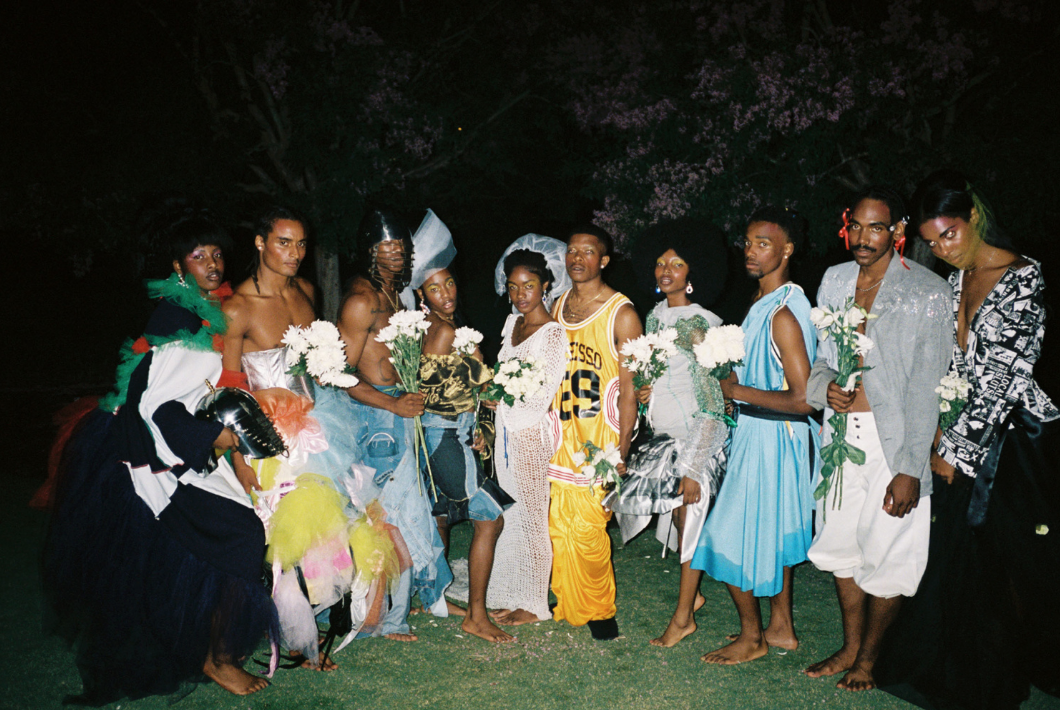
_____

  1. “The First Transgender Designer Just Showed At New York Fashion Week”, ELLE, Last modified 2019, https://www.elle.com/uk/fashion/a26151490/pierre-davis-transgender-designer-new-york-fashion-week/.
  2. “My Creative Mindset — Pierre Davis”, Vimeo, Last modified 2019, https://vimeo.com/304930661.
  3. “NO GENDER, NO SESSO — DRØME”, DRØME, Last modified 2019, https://www.wearedrome.com/no-gender-no-sesso.
  4. “New York Fashion Week Debuts First Ever Transgender Designer”, The Independent, Last modified 2019, https://www.independent.co.uk/life-style/fashion/new-york-fashion-week-transgender-designer-pierre-davis-no-sesso-autumn-winter-2019-nyfw-a8765481.html.
  5. “Pierre Davis Is The First Transgender Designer To Debut At NYFW | V Magazine”, Vmagazine.Com, Last modified 2019, https://vmagazine.com/article/pierre-davis-is-the-first-transgender-designer-to-debut-at-nyfw/.
  6. “No Sesso’s Pierre Davis Is Creating Her Own Definition Of Success | Cultured Magazine”, Cultured Magazine, Last modified 2019, https://www.culturedmag.com/no-sesso-pierre-davis/.
  7. “Pierre Davis Is The First Transgender Designer To Debut At NYFW | V Magazine”, Vmagazine.Com, Last modified 2019, https://vmagazine.com/article/pierre-davis-is-the-first-transgender-designer-to-debut-at-nyfw/.

What about the Escher X Nendo: Between Two Worlds exhibition?

by YING HUI TOI

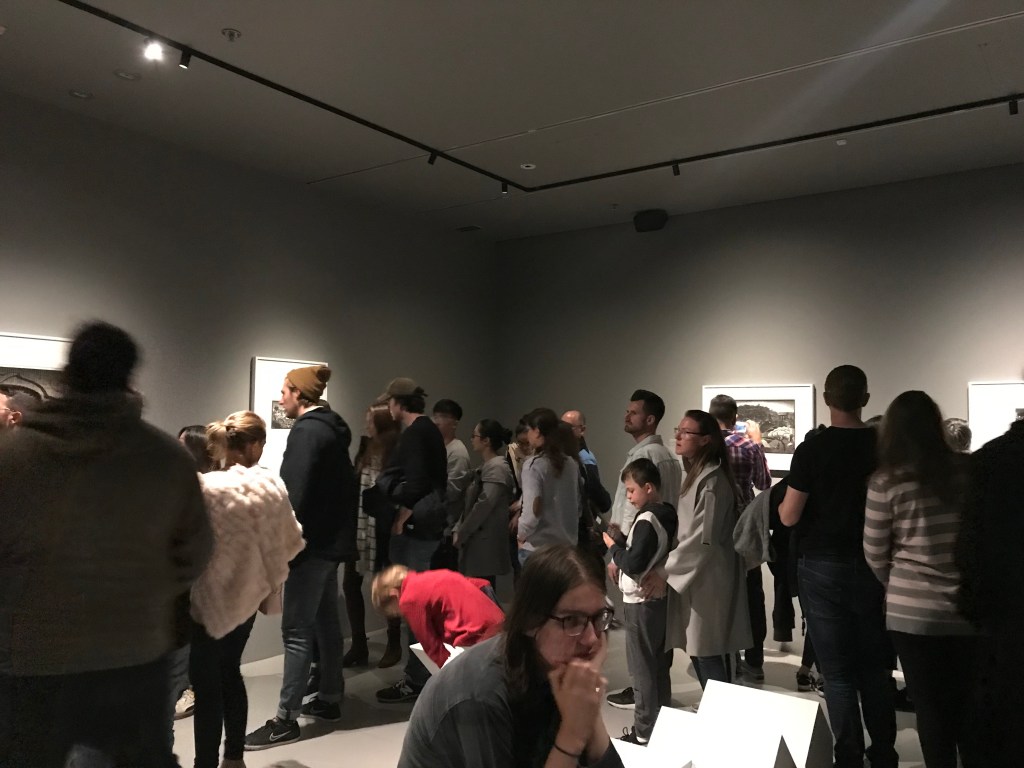
If there’s one thing I’ve learned about visiting a gallery, especially to a popular exhibition, is that it is not a wise choice to go during peak hours. I visited the Escher X Nendo: Between Two Worlds exhibition on a busy Sunday evening, I literally feel like a sardine in a can. Space was packed with people, but I guess everyone else is just like me, grabbing the last chance to see this highly rated Escher exhibition before it ends.

Maurits Cornelis Escher (M.C. Escher) is a Dutch graphic designer that is known for his iconic tessellation art, woodcut and self-portrait in the mirror. [1] This exhibition is a collaboration between M.C. Escher and Nendo, a Tokyo design studio. Visitors were given a chance to embark upon witnessing the chemistry between 19th-century art and contemporary design; seeing Escher’s artwork through the eye of Oki Sato, the founder of Nendo.

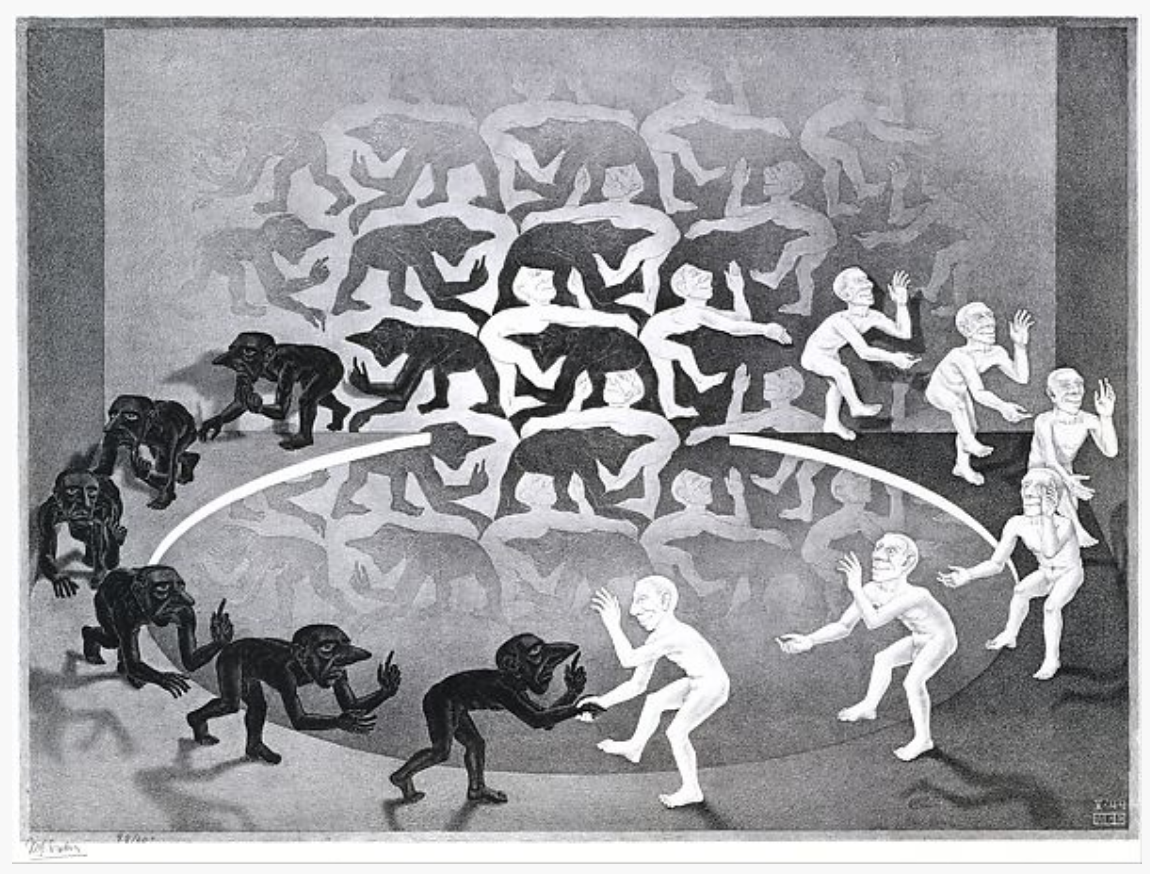
Before visiting the exhibition, I have never come across the name, Escher. However, some of the artworks presented in the gallery weren’t foreign to me, especially the tessellations. Sato perceived Escher as an artist of immense patience and almost “robotic” focus. [2] He further describes that Escher’s drawing technique of tessellations works like a plugin, adding a specific feature to the subject of the artwork. [2] I was intrigued by artwork, in particular, The Encounter, a lithograph created in 1944. [3] I would describe it is a coloured black poker face man encountering a smiling white man in white, it seems like a scene where two personalities of a person meet. This artwork was placed in the upper level of a split-level gallery, where space was separated by a descending zigzag pathway that led us down to “Transforming House”. [4]

Transformation House

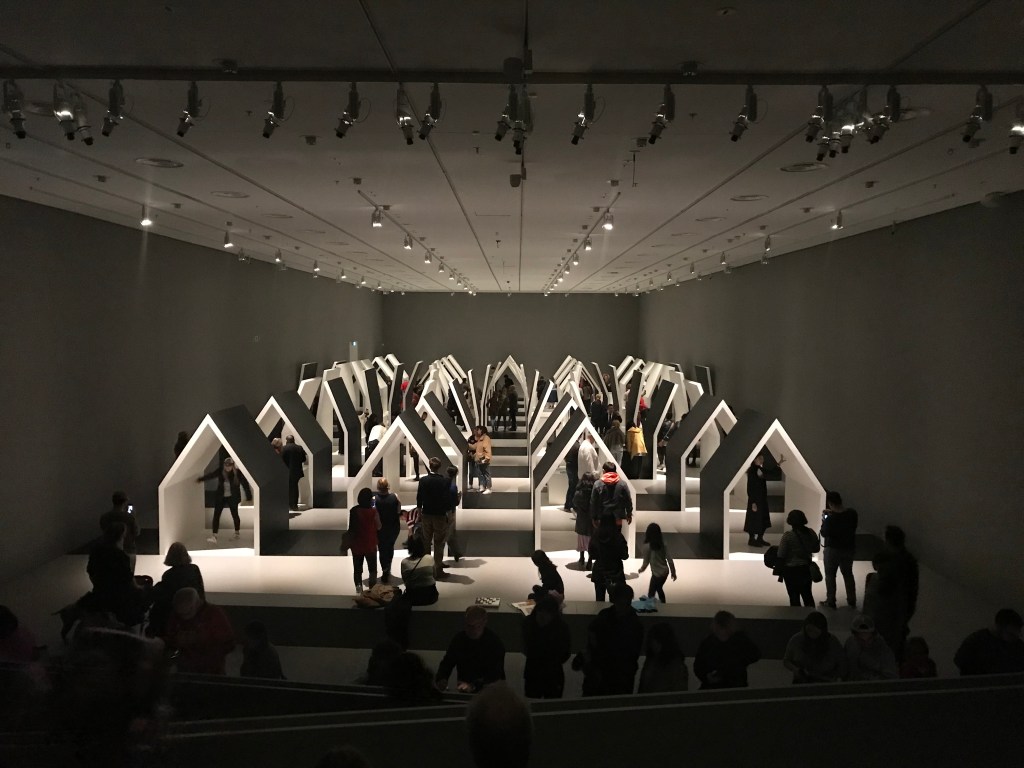
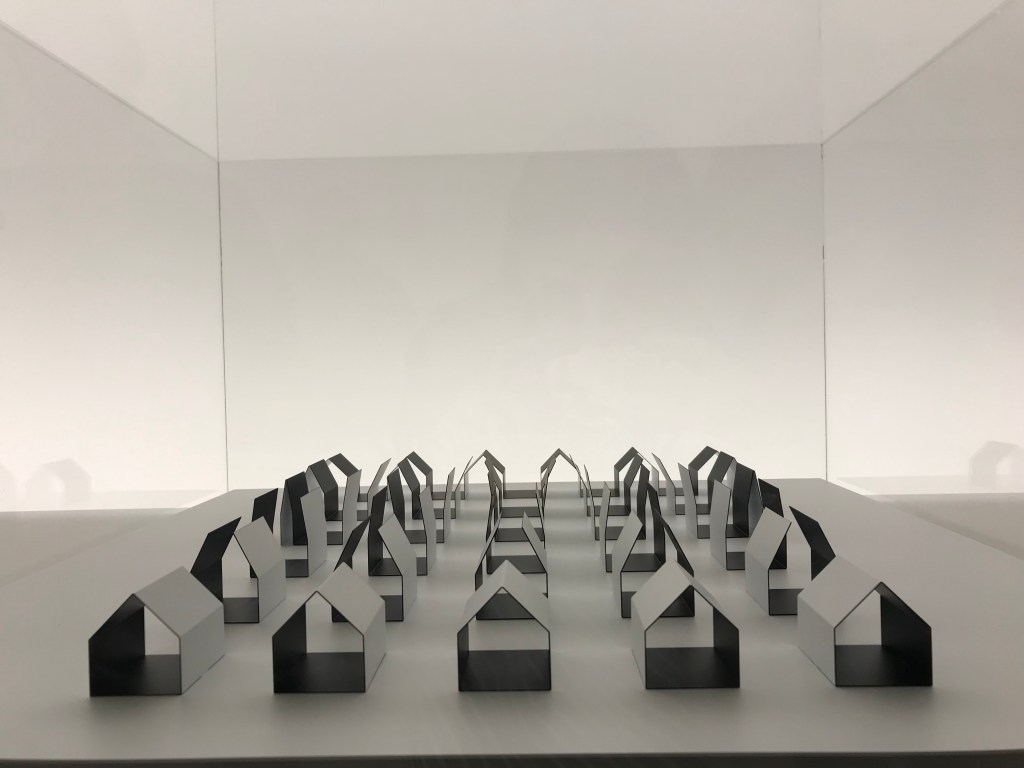
The “Transformation House” is an installation by Nendo that translates the concept of Escher’s tessellation art in a three-dimension form. [4] I discern Nendo has a good taste in designing the space that includes Escher’s tessellation artwork and the installation. Despite the term ‘good taste’ is subjective as it is socially structured, space attracts many visitors with a diverse cultural background and they were willing to spend more time wandering around in this room. Christoforidou explains that people express their personal taste through their action. [5] Consequently, it is the action of the visitors lingering in the space that proves that Nendo has good taste in designing.

Nendo manifests that 19th-century art can be demonstrated through contemporary design. The installation takes up a large space immersed with 3D simplified house-shaped lined up from closed to an opened roof, inspired by tessellation art. This space serves a purpose, where visitors were able to have a physical engagement with Escher’s art. Some said they are seeing Escher’s art in a whole new perspective. [2] In this case, space is considered a good design, because the outcome of the exhibition corresponds with the intention of Nendo. Which is to deliver the message of “…you thought you knew Escher, but you really didn’t.” [2] I reckon Nendo successfully uses their profession to create a space for people to understand Escher’s art accessible.

____

  1. “Escher X Nendo | Between Two Worlds | NGV”, Ngv.Vic.Gov.Au, Last modified 2019, https://www.ngv.vic.gov.au/exhibition/escher-x-nendo-between-two-worlds/.
  2. Sasha Grishin, “Review: Escher X Nendo, National Gallery Of Victoria”, Artshub Australia, Last modified 2019, https://visual.artshub.com.au/news-article/reviews/visual-arts/sasha-grishin/review-escher-x-nendo-national-gallery-of-victoria-256989.
  3. Dee Jefferson, “Reckon You Know Escher? Not As Well As You Think.”, ABC News, Last modified 2019, https://www.abc.net.au/news/2018-12-06/escher-x-nendo-exhibition-at-national-gallery-of-victoria/10575694.
  4. “M.C. Escher – About Escher”, Mcescher.Com, Last modified 2019, https://www.mcescher.com/about/.
  5. Despina Christoforidou et al., “Good Taste Vs. Good Design: A Tug Of War In The Light Of Bling”, The Design Journal 15, no. 2 (2012): 185-202, doi:10.2752/175630612×13258652805095.
  6. “The Encounter,May 1944”, Metmuseum.Org, Last modified 2019, https://www.metmuseum.org/art/collection/search/365239.